Better Water Begins With the Right Test, Honest Advice, and Ongoing Care
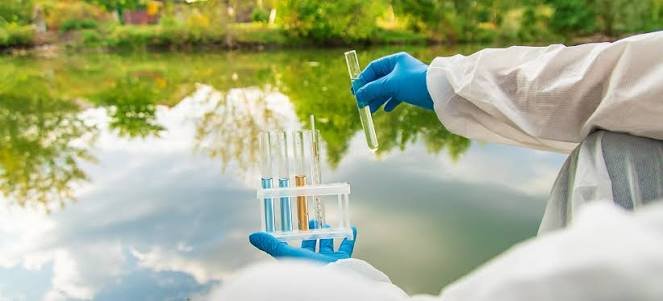
Most of us don’t give much thought to the water coming from our taps until something changes. Perhaps the shower screen develops stubborn white marks, the drinking water tastes a little different, or the washing machine seems to be working harder than it used to. Sometimes, there’s no obvious sign at all. Water can look clear and still contain minerals or other substances worth checking.
Figuring out what to do next can feel confusing, especially when there are so many filters, softeners, and treatment systems on the market. One company recommends a particular unit, another suggests a completely different setup, and suddenly a fairly simple concern becomes a major decision.
A more sensible approach is to start with the water itself. Understand what’s in it, decide what needs attention, and then explore solutions that make sense for your home or business.
Related reading A Better Glass of Water Starts With the Right Filtration System
Start by Understanding Your Water
Water quality depends on several factors, including the original source, local environmental conditions, plumbing materials, and any treatment the supply receives. Public water supplies are generally monitored under applicable regulations, but their mineral content and taste can still vary. Private wells require particular attention because groundwater conditions may change over time.
Hard water is one of the most common household concerns. It contains elevated concentrations of calcium and magnesium, which can leave chalky deposits on taps, showerheads, and kitchen fixtures. These minerals can also interfere with soap performance and contribute to scale inside water heaters and other appliances.
Other concerns may be less noticeable. Iron and manganese can cause staining, while certain contaminants cannot be identified through taste, smell, or appearance alone. That’s why testing is more useful than guessing based on a few everyday symptoms.
Related reading Choosing a Smarter Water Softener for a Home That Never Stands Still
Understanding the source of your water is the first step toward making a confident decision about treatment.
Why Water Testing Is Worth Your Time
For homeowners who aren’t sure where to begin, free water testing may provide a convenient starting point, when offered by a local provider. It can help identify common concerns and give you a clearer idea of whether a treatment system is worth considering.
However, it’s important to understand what the test actually covers. Some providers offer basic screening for hardness, pH, iron, or other common characteristics. These checks can be useful, but they aren’t necessarily a complete analysis of drinking water safety. A free screening should never be assumed to detect every possible contaminant.
If your water comes from a private well, testing through a qualified laboratory is especially important. Depending on your location and circumstances, testing may need to include bacteria, nitrates, and other substances associated with local groundwater conditions. Testing is also sensible after flooding, well repairs, or a noticeable change in water quality.
Related reading Understanding Reverse Osmosis and Whole-Home Water Treatment for Everyday Living
For homes connected to a public supply, reviewing the utility’s water quality report can provide useful information. Additional testing may be appropriate if there are concerns about household plumbing or the water at a particular tap.
The important thing is to know what has been tested, what the results mean, and whether further analysis is necessary.
Choosing Equipment Without Guesswork
Once the water quality concerns are clear, choosing a treatment system becomes much easier. The aim isn’t to install the most expensive equipment available. It’s to select something that addresses the problem without creating unnecessary costs or maintenance.
Related reading Choosing Between Whole-House Filtration, Reverse Osmosis, and Water Softeners
A water softener, for example, is designed primarily to reduce hardness minerals. It may help control scale buildup and improve the feel of water during washing, but it doesn’t automatically remove every unwanted substance. A carbon filter can improve certain taste and odor issues, while reverse osmosis may reduce a range of dissolved substances in drinking water when the system is correctly selected and maintained.
Each technology has strengths and limitations. Even two homes with similar water test results may need different equipment because their plumbing layouts, water usage, and priorities aren’t the same.
This is where professional guidance can make the process less overwhelming. A knowledgeable water treatment specialist should explain the test results in plain language, describe suitable options, and be honest about what each system can and cannot do.
Ask about installation requirements, replacement filters, routine servicing, and operating costs before making a decision. If a recommendation seems unnecessarily complicated, ask why every component is needed. Good advice should leave you better informed, not more confused.
Related reading Why Knowing What’s in Your Water Can Make a Bigger Difference Than You Expect
Don’t Forget Installation and Maintenance
Buying suitable equipment is only part of the job. A treatment system also needs to be installed correctly and maintained according to its manufacturer’s instructions.
Filters eventually collect material and may need replacement. Water softeners require appropriate settings and periodic checks. Reverse osmosis systems have components that need servicing, and ultraviolet disinfection units require attention to their lamps and operating conditions.
Neglecting these tasks can affect performance. In some situations, it may also create a false sense of security, particularly when equipment is being used to address a specific water safety concern.
Before installation, ask the provider for a clear maintenance schedule. Find out which tasks you can handle yourself and which should be completed by a technician. Keep records of service visits, filter replacements, and water test results so you can track changes over time.
It’s a small habit, but it can save a fair amount of frustration later.
The Value of Having Someone Nearby
Water treatment isn’t always a one-time purchase. Questions can arise months after installation, whether it’s a warning light that won’t switch off, a sudden change in water pressure, or uncertainty about when a filter needs replacing.
Reliable local service & support can make these situations easier to manage. A nearby provider may be able to arrange maintenance visits, investigate equipment issues, and help you understand whether changing water conditions require a new test.
Still, choosing a local company should involve more than checking its distance from your home. Look at its experience, service policies, customer feedback, and willingness to explain technical details clearly. Ask whether support is available after installation and whether replacement parts are readily accessible.
For businesses, dependable service can be especially important. Restaurants, offices, and other facilities may rely on consistent water quality for daily operations. Delays in servicing can disrupt work, so it helps to understand response times and maintenance arrangements before entering an agreement.
A good provider should remain helpful after the sale rather than disappearing once the equipment is installed.
Make the Decision That Fits Your Household
Not every home needs a whole-house treatment system, and not every water concern requires expensive equipment. Sometimes a simple filter is enough for a particular taste issue. In other cases, a softener, specialized filtration, or a combination of treatments may be more appropriate.
Start with your priorities. Are you trying to reduce scale, improve drinking water, address a test result, or protect equipment from mineral buildup? Once you know the answer, compare solutions based on performance, maintenance needs, and long-term cost.
Be cautious of anyone promising that one device will solve every water quality problem. No single treatment method is suitable for all contaminants, and the right choice should be supported by relevant test results.
A Little Knowledge Goes a Long Way
Good water doesn’t have to be a mystery. By checking your supply, asking sensible questions, and maintaining any equipment you install, you can make decisions with greater confidence.
The process doesn’t need to happen all at once. Begin with the concern that matters most, gather reliable information, and take the next step when you understand your options. With the right approach, improving water quality becomes less about buying equipment and more about creating a practical, dependable solution for everyday life.