Choosing a Smarter Water Softener for a Home That Never Stands Still
Hard water has a way of making itself known. It leaves cloudy marks on drinking glasses, builds crust around faucets, and makes shower doors look dirty again just days after cleaning. You might even notice that your water heater needs more attention than it used to. None of these problems necessarily means something is seriously wrong, but together they can make everyday household tasks more frustrating than they need to be.
For many homeowners, a water softener offers a practical way to manage these issues. The challenge is choosing a system that fits the household’s actual needs. Family size, water hardness, daily usage, available space, and maintenance preferences all play a part. Modern softeners also offer different operating designs, giving homeowners more options than a basic, one-size-fits-all system.
Understanding What a Water Softener Actually Does
Hard water contains dissolved calcium and magnesium. These minerals occur naturally as groundwater moves through rock and soil. Although they aren’t generally considered harmful at typical levels, they can contribute to scale buildup inside plumbing, appliances, and water-heating equipment.
Related reading Understanding Reverse Osmosis and Whole-Home Water Treatment for Everyday Living
A conventional ion-exchange water softener reduces hardness by passing water through resin that captures calcium and magnesium ions. The resin eventually needs regeneration, a process that restores its ability to soften water. Many systems use salt during this cycle, although the exact design and operating requirements vary.
The difference becomes noticeable in ordinary routines. Soap can lather more easily, glassware may develop fewer mineral spots, and showerheads can be easier to keep clean. A softener can also help limit new scale formation in equipment that uses water.
However, it’s important to understand what softening doesn’t do. A conventional softener isn’t a complete drinking-water purification system, and it doesn’t automatically remove bacteria, pesticides, or every dissolved contaminant. If your water has several quality problems, you may need more than one treatment method.
Related reading Choosing Between Whole-House Filtration, Reverse Osmosis, and Water Softeners
Finding a System That Matches Household Demand
A small household with moderate water use has different needs from a busy family that regularly runs showers, laundry, and a dishwasher at the same time. Selecting a system based only on the number of bathrooms can therefore lead to disappointing results.
Before comparing models, establish the hardness level of your water and estimate how much water the household uses. These figures help determine the softening capacity required between regeneration cycles. A system that’s too small may regenerate frequently, while an oversized unit may cost more than necessary.
Water pressure and the available installation space matter, too. Some homes have a convenient utility room, while others have very little room near the main water line. Consider where the unit will sit, whether drainage is available, and how easily you can reach the controls for routine maintenance.
Related reading Why a Water Softener Can Be One of the Smartest Upgrades for Your Home
Exploring Modern Softener Designs
Homeowners researching advanced options may come across the evolve series evrs softeners, a product range worth evaluating according to its documented capacity, operating features, and suitability for local water conditions. As with any branded system, check the manufacturer’s current specifications rather than relying on a general description or an advertised benefit.
Look closely at the control system, regeneration settings, warranty, and availability of replacement parts. Ask whether the equipment can be adjusted to match the home’s measured hardness and typical water demand. These details may not sound exciting, but they make a real difference after installation.
It’s also sensible to ask the supplier what happens if the system develops a fault. Can local technicians service it? Are replacement components readily available? A well-designed unit is more useful when support is accessible and maintenance doesn’t become a drawn-out process.
When Twin Softeners Make Sense
Some households need softened water throughout the day, with little tolerance for interruptions. Think of a large family getting ready for work and school, or a property where several people use showers, washing machines, and sinks within a short period. In these situations, a single softener may struggle to meet demand if its regeneration cycle overlaps with heavy usage.
Related reading Why Knowing What’s in Your Water Can Make a Bigger Difference Than You Expect
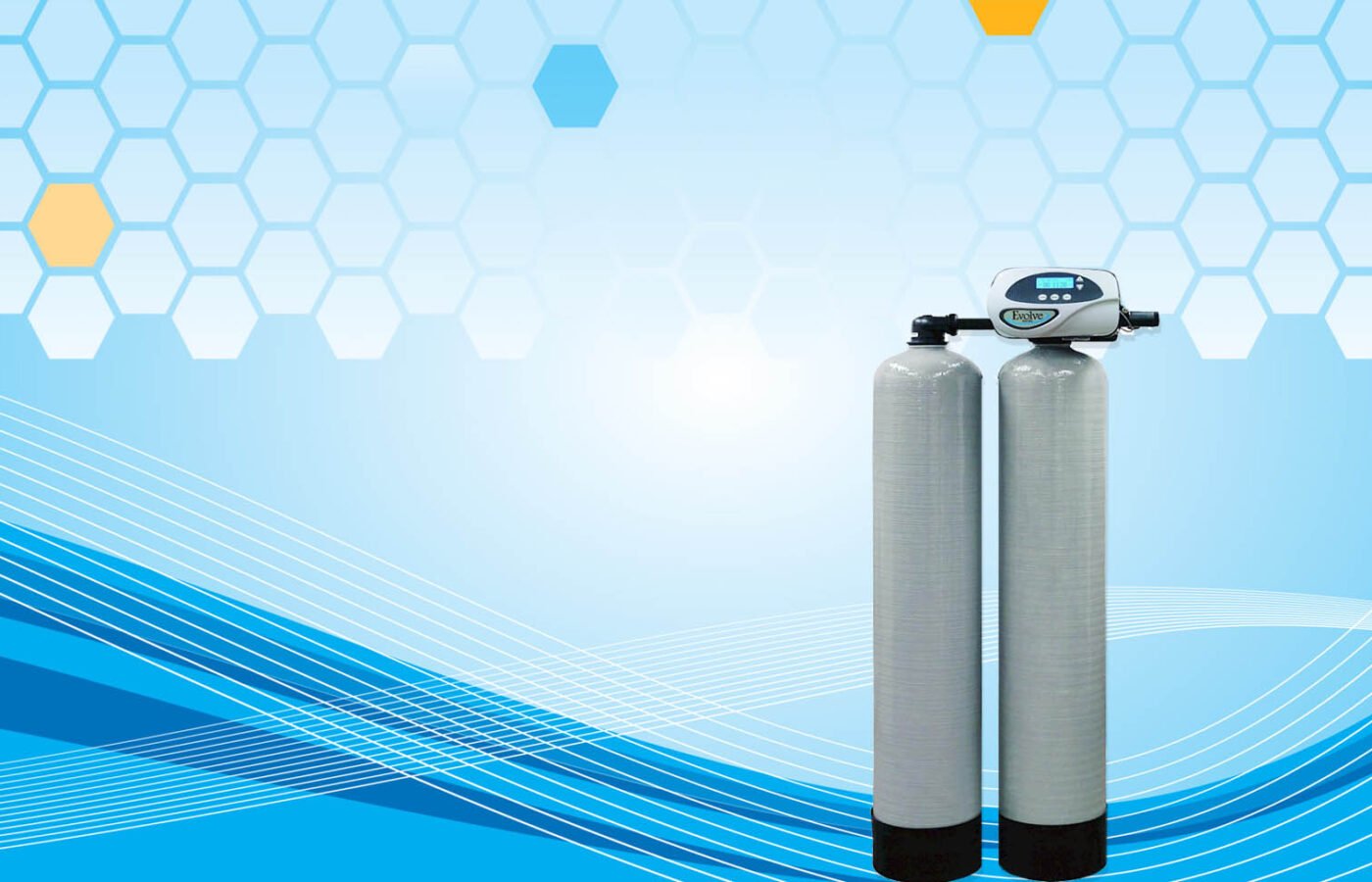
This is where twin softeners can be worth considering. These systems generally use two resin tanks and a control arrangement that allows one tank to provide softened water while the other regenerates or remains on standby. Depending on the design, the system can switch tanks automatically when necessary.
The main advantage is continuity. Instead of waiting for a single tank to finish regeneration, a properly configured twin-tank system can maintain softened-water availability during that process.
Still, twin systems aren’t automatically the best choice for every property. They typically involve a higher initial investment and may require more installation space. A household with low or predictable water demand might be perfectly well served by a single, correctly sized softener.
The decision should come down to usage patterns, the cost of interruptions, and the long-term operating requirements—not simply the assumption that a more complex system must be better.
Related reading A Better Glass of Water Starts With the Right Filtration System
Why Water Efficiency Matters
Water softening involves more than the water that comes out of the tap. Regeneration can consume water and salt, and the amount depends on the system’s design, settings, resin capacity, and the hardness of the incoming supply.
Over several years, these operating differences can affect household expenses. A unit that regenerates more often than necessary may use additional water and salt without providing a meaningful improvement in comfort.
Choosing water efficient technology can help reduce unnecessary resource use when the equipment is properly matched to household demand. Some modern controls monitor water consumption and adjust regeneration according to actual usage, while other systems rely on programmed schedules. The precise benefits vary by model, so ask for clear specifications rather than assuming every automated system performs equally well.
Efficiency also depends on installation and setup. If the hardness setting is inaccurate, the unit may use more resources than needed or allow hard water to pass through. A professional installer should test the incoming water, configure the equipment correctly, and explain how to monitor its performance.
Homeowners can contribute by checking salt levels as recommended, arranging service when necessary, and avoiding changes to control settings without understanding their purpose.
Don’t Overlook Maintenance and Installation
Even a high-quality softener needs regular attention. Salt-based systems generally require periodic checks of the brine tank, salt supply, and control settings. Depending on water conditions and the equipment, occasional cleaning or professional servicing may also be recommended.
Salt bridges and hardened salt deposits can interfere with normal operation. If the system appears to be running but scale begins returning, don’t immediately assume the equipment has failed. Check whether the unit has salt, whether the bypass valve is positioned correctly, and whether the settings remain appropriate. If the cause isn’t obvious, contact a qualified technician.
Installation deserves the same care. The system must be connected correctly to the water supply, with appropriate drainage and any required backflow protection. Local plumbing requirements should be followed, and the installer should explain how to isolate the equipment if repairs are needed.
Ask about ongoing costs before purchasing. Salt, service visits, replacement components, and water used during regeneration can all contribute to the total cost of ownership. The lowest purchase price doesn’t always represent the best long-term value.
Make the Decision Based on Your Water
Choosing a water softener shouldn’t begin with a model name or a sales promotion. It should begin with a clear understanding of the water entering your home and the problems you want to solve.
Test the hardness, estimate household demand, and decide whether continuous softened-water availability is important. Then compare suitable systems based on capacity, efficiency, installation requirements, maintenance, and reliable local support.
A properly selected softener can make cleaning easier, reduce mineral scale, and help protect water-using appliances from avoidable buildup. It won’t eliminate every water-quality concern, but it can be a worthwhile investment when the need is real and the equipment is correctly chosen.
The best system isn’t necessarily the biggest or most expensive one. It’s the one that quietly does its job day after day, fits your household’s routines, and provides dependable performance without wasting resources or demanding constant attention.