Hidden Water Leaks: How to Spot the Warning Signs Before Damage Spreads
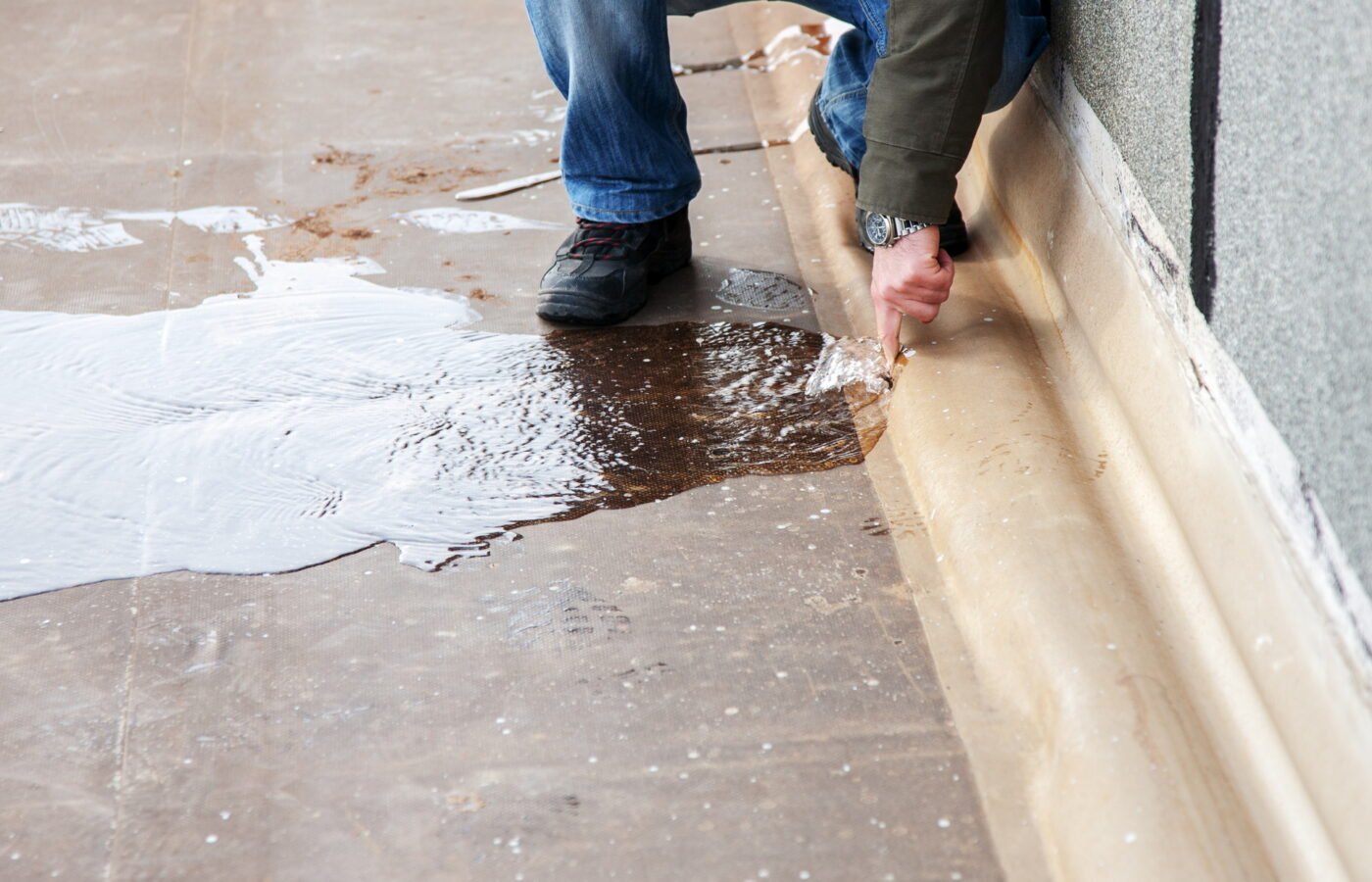
A water leak doesn’t always announce itself with a dripping tap or a puddle on the kitchen floor. Sometimes, the first clue is a water bill that seems unusually high. Other times, you notice a faint musty smell in a hallway or a patch of paint that starts peeling for no obvious reason. These little changes are easy to overlook, especially when life is busy.
Unfortunately, hidden leaks rarely fix themselves. Water can slowly damage flooring, weaken building materials, encourage mould growth, and waste hundreds of litres before anyone realises there’s a problem. By the time the signs become obvious, the repair may involve more than a faulty pipe.
The good news is that you don’t need to be a plumbing expert to recognise potential trouble. Knowing what to look for, understanding how professionals locate leaks, and acting promptly can help protect your home and avoid unnecessary expense.
Related reading A Better Glass of Water Starts With the Right Filtration System
The Early Signs of a Hidden Water Leak
Some leaks are easy to spot. A loose connection beneath the sink or a dripping shower valve usually gives itself away. Others develop inside walls, beneath floors, or around pipes that aren’t readily accessible.
Start by paying attention to changes around your home. Damp patches on ceilings, bubbling paint, warped flooring, and unexplained moisture near skirting boards can all indicate a plumbing problem. A persistent musty smell may also suggest that water has been accumulating somewhere out of sight.
Your water bill can provide another useful clue. If your household’s water usage hasn’t changed but the bill suddenly increases, a leak is worth investigating. Toilets deserve particular attention because a faulty internal valve can allow water to run continuously without producing an obvious puddle.
Related reading Understanding Nitrates and Bacteria in Your Water: Why Testing Comes First
You can also check your water meter when all taps and water-using appliances are switched off. If the meter continues registering water use, there may be a leak somewhere in the system. Make sure appliances such as ice makers and automatic irrigation systems aren’t operating during the check. The result isn’t a definitive diagnosis, but it can be a helpful starting point.
Why Professional Leak Detection Can Save Money
Finding a leak is often more complicated than simply locating the wet spot. Water travels along pipes, beams, and other building materials, so the visible damage may be several feet away from the actual source.
Professional leak detection helps narrow down the location of a suspected leak without immediately opening walls or lifting floors. Depending on the situation, plumbers may use acoustic listening equipment, moisture meters, thermal imaging, or pressure testing to investigate the system.
Each method has its strengths. Acoustic equipment can help identify sounds associated with escaping water, while moisture meters measure moisture levels in building materials. Thermal imaging may reveal temperature differences that warrant closer investigation, although those differences alone don’t prove a leak is present.
Related reading Why Knowing What’s in Your Water Can Make a Bigger Difference Than You Expect
The right approach depends on the pipe material, the building layout, and the symptoms you’ve noticed. Sometimes several methods are needed to confirm the source.
Early diagnosis can make a significant difference. Repairing a small leak may be relatively straightforward, while leaving it untreated can lead to damaged plaster, flooring replacement, mould remediation, and other avoidable work.
It’s also worth remembering that not every damp patch comes from plumbing. Roof leaks, condensation, and rainwater entering through the exterior can produce similar signs. A proper assessment helps distinguish between these possibilities.
Related reading Why the Right Water Treatment Equipment Makes a Bigger Difference Than Most People Expect
Understanding Leaks Beneath Concrete Slabs
Homes built on concrete slab foundations have a particular challenge: some water pipes run beneath the concrete, where they aren’t easily accessible. When one of these pipes develops a leak, the water may spread underneath the floor before appearing inside the house.
This is commonly known as a slab leak. The warning signs can be subtle, which is why homeowners sometimes mistake the problem for ordinary moisture or a change in indoor temperature.
Professional slab leak detection may involve listening for escaping water, checking the plumbing system’s pressure, measuring moisture, and using specialised equipment to narrow down the affected area. Warm patches on a floor can sometimes suggest a hot-water pipe leak, while unexplained dampness or a persistent sound of running water may provide additional clues.
Other signs include cracks that appear alongside moisture problems, flooring that becomes unusually warm or damp, and a water meter that continues moving when fixtures are not being used. None of these signs confirms a slab leak by itself, and foundation cracks can have causes unrelated to plumbing.
Related reading Water Safety at Home: What Most People Don’t Notice Until It’s Too Late
Because water beneath a slab can affect flooring and nearby building materials, prompt professional assessment is important. Avoid assuming that every crack or damp patch requires major structural work. First, establish whether a plumbing leak exists and where the water is coming from.
What Happens When a Leak Is Left Untreated?
A slow leak may not seem urgent when water is escaping just a little at a time. But even a small, continuous leak can create a surprisingly large amount of damage over several weeks or months.
Moisture can cause timber to swell, damage cabinets, loosen flooring adhesives, and deteriorate plasterboard. Persistent dampness can also encourage mould growth, particularly in areas with poor ventilation. In some cases, a leak can affect nearby electrical equipment or contribute to damage around a building’s foundation.
There’s a financial cost, too. Besides paying for wasted water, homeowners may face larger repair bills if the leak damages surrounding materials or spreads into adjacent rooms.
If you discover active water escaping from a pipe, shut off the relevant valve or the main water supply if you can do so safely. Keep clear of wet electrical equipment, and don’t enter flooded areas where electrical hazards may be present.
If the leak is near a water heater or another appliance, follow the manufacturer’s safety guidance and contact a qualified professional. The immediate priority is to reduce further damage without putting yourself at risk.
Choosing the Right Leak Repair
Once the source has been identified, the next step is deciding how to fix it. The right solution depends on the pipe material, the location of the damage, accessibility, and the overall condition of the plumbing system.
A leaking connection may need tightening or replacing, while a damaged pipe section might require a targeted repair. Older pipework with widespread corrosion could call for a broader replacement rather than another temporary patch.
A professional leak repair should address the cause of the problem, not merely hide its symptoms. For example, repainting a damp wall before fixing the pipe will not prevent moisture from returning.
Ask the plumber to explain the recommended work, whether any opening of walls or floors is necessary, and how the system will be checked afterward. Request an estimate that separates the repair itself from possible restoration work, such as replacing plaster or flooring.
For leaks beneath concrete slabs, repair options vary. In some situations, the affected section can be accessed and repaired directly. In others, rerouting the pipe may be more practical. The best choice depends on the layout and condition of the system, so there isn’t one solution that suits every property.
Simple Habits That Help Prevent Water Damage
Although not every leak can be prevented, routine checks can help you catch problems earlier. Inspect visible pipes beneath sinks, around toilets, and near water-using appliances. Look for corrosion, loose fittings, water stains, and unexplained dampness.
Check washing machine hoses and appliance connections periodically, following the manufacturer’s recommendations. Replace worn components when necessary, and know where your main water shut-off valve is located.
If you leave home for an extended period, consider turning off the main water supply when appropriate for your property and appliances. Homes with irrigation systems or equipment that needs a continuous water supply may require a different approach.
Most importantly, don’t ignore a sudden change in water pressure, unexplained water usage, or a persistent damp smell. These signs may have harmless explanations, but they’re worth checking when they continue.
A Small Leak Deserves Early Attention
Water leaks are easier to manage when they’re found before the damage spreads. By watching for unusual moisture, monitoring water usage, and arranging a professional inspection when something seems wrong, you can protect your home from costly surprises.
Hidden leaks can be frustrating because the source isn’t always obvious. Still, a careful diagnosis usually provides a clearer path forward than guesswork or repeated temporary fixes.
Your plumbing doesn’t need constant attention, but it does deserve a little awareness. Sometimes, acting on one small warning sign today is all it takes to prevent a much bigger repair tomorrow.