A Better Glass of Water Starts With the Right Filtration System
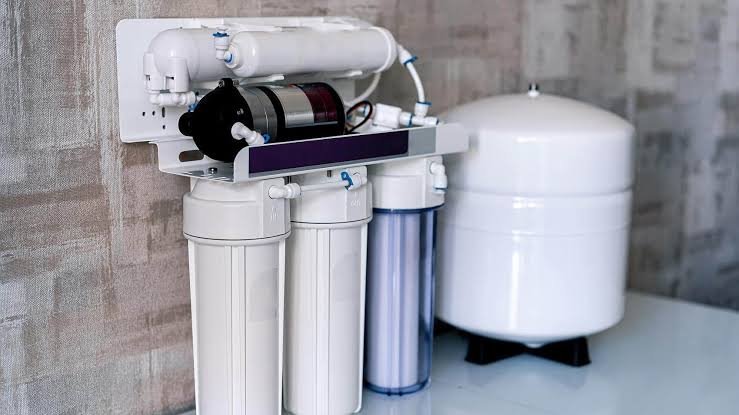
There’s something oddly comforting about a glass of cold water from the kitchen tap. No packaging to open, no trip to the store, no need to think twice about it. But when water develops an unusual taste, leaves spots on your glassware, or simply doesn’t taste as fresh as you’d like, that everyday comfort can disappear.
For many households, a properly selected filtration system can make a noticeable difference. But choosing one isn’t just about finding a machine with the longest list of features. It starts with understanding your water, knowing what you want to improve, and selecting a system that fits your home.
Reverse osmosis is one technology worth understanding, especially when the goal is better-tasting water for drinking and cooking.
Related reading Understanding Reverse Osmosis and Whole-Home Water Treatment for Everyday Living
What Is Reverse Osmosis?
Reverse Osmosis Systems use pressure to push water through a semipermeable membrane. The membrane allows water molecules to pass while reducing many dissolved substances and contaminants.
Most residential systems include several stages. A sediment filter may remove particles first, followed by activated carbon filtration to improve taste and reduce chlorine. The water then passes through the RO membrane before potentially receiving additional polishing treatment.
The result can be significantly different from untreated tap water, particularly for households dealing with unpleasant tastes or specific dissolved substances.
Still, reverse osmosis isn’t a magic solution for everything. System performance varies, and different contaminants require different treatment approaches.
Related reading Choosing Between Whole-House Filtration, Reverse Osmosis, and Water Softeners
Why Water Testing Comes First
Before installing an RO system, it’s worth understanding your existing water.
Municipal water supplies are generally treated and monitored, while private well water can vary considerably depending on geology, well construction, and local conditions.
Testing may examine hardness, pH, iron, chlorine, dissolved solids, nitrates, bacteria, or other parameters depending on the reason for testing.
That information helps determine whether reverse osmosis is actually necessary and whether pretreatment might be useful.
Related reading Why Knowing What’s in Your Water Can Make a Bigger Difference Than You Expect
There’s no prize for owning the most complicated water system. The goal is simply to treat the water appropriately.
What Does “Pure” Water Actually Mean?
People often use the word Pure when talking about filtered water, but it’s worth being careful with the terminology.
No residential treatment system should be assumed to remove absolutely everything. Reverse osmosis can reduce many dissolved substances, but performance depends on membrane type, water chemistry, pressure, maintenance, and system design.
Related reading Why the Right Water Treatment Equipment Makes a Bigger Difference Than Most People Expect
The more useful question isn’t whether water is “pure.” Ask what the system is certified or tested to reduce.
That shift in thinking makes it easier to compare products honestly.
The Benefits of Better Drinking Water
One of the biggest advantages of an RO system is improved drinking-water quality and taste.
If your tap water has a strong chlorine flavor, metallic notes, or an unpleasant aftertaste, properly selected filtration can make drinking water more enjoyable.
Related reading The Smart First Step Toward Better Water at Home
That can have an everyday benefit people sometimes overlook. When water tastes good, you’re more likely to reach for it.
For families trying to drink more water instead of soda or sugary beverages, having a convenient source of Clean Drinking Water can make the healthier choice feel effortless.
It’s not glamorous. It just works.
Why Hard Water Can Affect RO Performance
Hard water contains calcium and magnesium, which can contribute to scale.
That matters because scale can build up on an RO membrane and reduce its effectiveness over time. For homes with significant hardness, pretreatment may therefore be an important part of the overall system.
A water softener or another suitable pretreatment method can help protect the membrane, depending on the water chemistry and system design.
This is another reason testing matters. Two homes can have completely different water conditions even if they use similar RO equipment.
Choosing a System for Your Kitchen
Residential RO systems are often installed under the kitchen sink and connected to a dedicated drinking-water faucet.
When comparing systems, look at more than the number of filtration stages.
Consider the membrane’s performance, filter replacement schedule, storage capacity, flow rate, wastewater ratio, installation requirements, and availability of replacement parts.
A compact system may be ideal for a small kitchen, while a larger family may want faster production and more storage capacity.
And don’t forget cabinet space. RO systems can include multiple filters, tubing, and sometimes a storage tank. Measure before you buy.
A Local Example: Middlebury, Indiana
Water conditions can vary from one community to another, which makes local testing and professional advice particularly useful.
Homeowners searching for a Middlebury IN Reverse Osmosis Water Filter may want to consider not only the filtration equipment itself but also local water conditions, household usage, installation requirements, and ongoing maintenance.
A local provider can potentially offer more practical insight into common water-quality characteristics in the area and help determine whether RO is the right fit.
Even then, don’t skip testing. Local experience is helpful, but your home’s water is still your home’s water.
Maintenance Keeps the System Working
Reverse osmosis systems require regular maintenance.
Sediment and carbon filters need replacement. RO membranes eventually need changing. Some systems also include post-filters or mineral stages that require periodic replacement.
Ignoring maintenance can reduce water quality and slow production.
Fortunately, keeping up with it isn’t especially difficult. Most manufacturers provide recommended replacement schedules, and many modern systems include indicators that remind homeowners when filters are due.
A simple calendar reminder can prevent a lot of guesswork.
Don’t Forget the Wastewater
RO systems traditionally use some water during the filtration process.
The exact amount varies considerably between systems. Modern high-efficiency models may have better recovery rates than older designs, so it’s worth comparing this specification when shopping.
If water conservation is a major concern, ask about the system’s wastewater ratio and recovery performance.
Again, the details matter more than the marketing headline.
When Reverse Osmosis Makes Sense
RO can be a practical choice when you want additional treatment for drinking and cooking water, particularly when testing identifies dissolved substances that the system is designed to reduce.
It may not be necessary for every home. Some households may be perfectly satisfied with activated-carbon filtration or another simpler treatment method.
That’s okay.
Good water treatment isn’t about buying the most advanced technology available. It’s about matching the technology to your needs.
A Simple Way to Make a Better Choice
Start with your water source. Test the water when appropriate. Identify the specific concerns you want to address. Then compare systems based on verified performance, maintenance, installation, and long-term operating costs.
Ask what a system removes, what it doesn’t remove, and how often its components need replacing.
If you’re considering reverse osmosis for your home, professional advice can be especially helpful when water chemistry is complicated or pretreatment may be necessary.
The best filtration system is rarely the one with the flashiest brochure.
It’s the one that quietly provides water you enjoy drinking, fits your kitchen, and continues to perform because you’ve chosen and maintained it properly.
That’s a pretty good definition of better water.