A Healthier Approach to Household Water: Finding the Right Filtration and Treatment Solutions
Water is probably the hardest-working resource in your home. It’s there when you’re preparing breakfast, washing muddy clothes, cleaning the kitchen, or enjoying a long shower after a particularly exhausting day.
Yet we rarely give its quality much attention until something feels wrong. Maybe the tap water develops an odd aftertaste. Perhaps tiny particles begin appearing in the bathroom sink, or the kettle needs cleaning more frequently than usual.
These little inconveniences can gradually become part of everyday life, but they don’t necessarily have to stay that way.
Related reading A Better Glass of Water Starts With the Right Filtration System
Improving your household water starts with understanding what’s causing these problems. From there, finding an appropriate treatment solution becomes much easier, especially when you know what different filtration technologies can realistically accomplish.
Understanding the Water That Flows Through Your Home
Water quality can vary considerably between properties. The source of your water, surrounding environmental conditions, plumbing materials, and existing treatment equipment can all influence what eventually comes out of your faucets.
Taking a thoughtful approach to home water treatment and filtration allows homeowners to address specific concerns instead of relying on equipment that promises to solve everything at once.
For instance, chalky deposits around bathroom fixtures commonly suggest excessive hardness. Reddish-brown stains may indicate elevated iron concentrations, while an unpleasant chlorine taste could be associated with municipal disinfection processes.
Related reading Understanding Reverse Osmosis and Whole-Home Water Treatment for Everyday Living
Each concern requires a different approach.
Conventional water softeners reduce hardness minerals, sediment filters capture suspended particles, and activated carbon helps reduce selected unwanted tastes and odors.
Unfortunately, these technologies are sometimes confused with one another.
Buying an ordinary carbon filter to address excessive hardness, for example, probably won’t deliver the results you’re expecting.
Understanding your water through appropriate testing can help you avoid unnecessary purchases and focus on improvements that genuinely benefit your household.
Related reading Residential Dumpster Rental Makes Big Home Cleanups Much Easier
Choosing Filtration That Makes a Practical Difference
There’s certainly no shortage of water filters available today. Some are designed for individual faucets, while others treat water before it travels throughout a property.
Effective filtration for household water quality involves matching treatment capabilities to the substances that need attention, rather than simply choosing equipment with the most impressive specifications.
Different filtration methods offer different advantages:
- Sediment filtration captures suspended particles such as sand, rust, and dirt.
- Activated carbon helps reduce selected unpleasant tastes, odors, and chemical compounds.
- Reverse osmosis reduces many dissolved substances in drinking water.
- Specialized filtration media can address certain iron and manganese concerns.
- Appropriate disinfection technologies may help manage specific microbial risks.
Some households need only one treatment method. Others may benefit from combining several complementary technologies.
Think about what actually bothers you about your water. If it’s primarily the taste, targeted kitchen filtration might be sufficient. If suspended particles appear throughout the house, centralized filtration could be more practical.
Related reading Choosing a Smarter Water Softener for a Home That Never Stands Still
The right solution doesn’t necessarily have to be complicated.
Is Whole-House Filtration Worth the Investment?
Imagine installing separate filters in your kitchen, bathrooms, and laundry area. Maintaining all those individual units could quickly become another frustrating household responsibility.
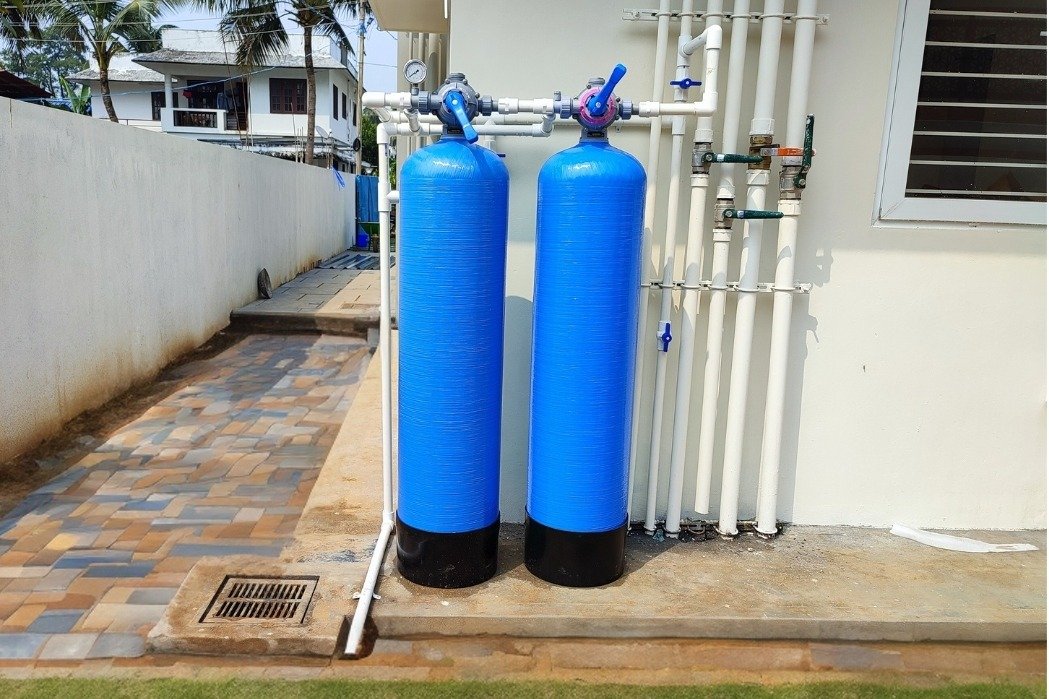
Exploring whole-home filtration options offers an alternative by allowing selected treatment processes to take place near the main water supply line.
This arrangement provides filtered water to connected household fixtures and appliances.
For properties experiencing widespread sediment problems or certain unpleasant odors, centralized treatment can offer considerable convenience.
However, choosing equipment requires careful planning.
A household with several bathrooms and frequently operated appliances will likely have different water flow requirements from someone living alone.
Related reading Better Water Begins With the Right Test, Honest Advice, and Ongoing Care
An undersized filtration system could restrict water pressure during busy periods, which is hardly ideal when someone’s taking a shower while the washing machine is running.
Before installation, ask about equipment capacity, incoming water pressure, available space, and maintenance accessibility.
Long-term replacement costs deserve attention, too. A reasonably priced installation isn’t necessarily economical if replacement cartridges are expensive or difficult to obtain.
Better Water Can Help Simplify Household Maintenance
Nobody particularly enjoys spending their free time cleaning clogged faucet aerators or removing stubborn deposits from household fixtures.
Appropriate water treatment can help address some of the conditions responsible for these recurring problems.
Sediment filtration may reduce particles reaching appliance inlet screens, while conventional softening can help limit future hardness-related scale formation.
These improvements may also help reduce certain avoidable maintenance requirements.
Of course, treatment equipment won’t prevent normal mechanical wear or repair existing plumbing damage.
Still, protecting your household appliances from unfavorable water conditions is worth considering, particularly when replacing expensive equipment such as water heaters and dishwashers.
Sometimes, preventive improvements offer more practical value than repeatedly dealing with the consequences.
Water Testing and Maintenance Are Equally Important
Perfectly clear water isn’t necessarily safe to consume. Certain potentially harmful contaminants can be present without producing noticeable changes in appearance, smell, or taste.
Municipal water customers can review their utility’s water quality reports and investigate property-specific concerns when necessary.
Private well owners should arrange appropriate laboratory testing for bacteria, nitrates, and other relevant contaminants.
Once your treatment equipment is installed, follow manufacturer recommendations for filter replacements, media servicing, and periodic performance checks.
Keeping a simple maintenance record can help you stay organized and recognize developing problems before they become more frustrating.
Create a Home Where Better Water Comes Naturally
Improving household water quality shouldn’t involve unnecessary expenses or complicated decisions.
Begin with reliable testing, understand your priorities, and choose treatment equipment that fits your property and lifestyle.
Perhaps you’ll enjoy fresher-tasting drinking water, spend less time dealing with sediment, or appreciate more manageable cleaning routines.
These improvements might seem modest compared with a major home renovation. But considering how frequently you use water, their value becomes increasingly apparent.
A comfortable home is built around everyday conveniences. Having appropriately treated water available whenever you need it is certainly one worth investing in.