Residential Dumpster Rental Makes Big Home Cleanups Much Easier
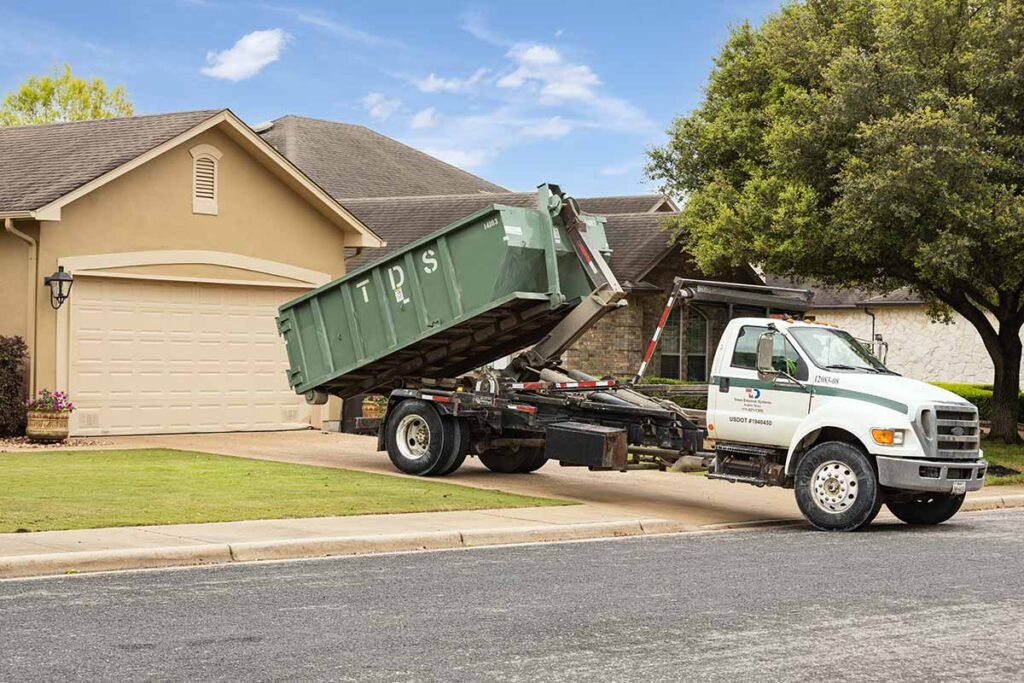
There’s a moment during almost every major home cleanup when the job suddenly looks much bigger than it did on paper. A few boxes become dozens. An old sofa somehow turns into three trips’ worth of junk. Then there’s the broken shelving, worn-out carpet, cardboard, and all the little things that have been sitting untouched for years.
That’s when a dumpster starts making a lot of sense.
A residential dumpster rental gives homeowners one convenient place to collect unwanted materials while they work. Instead of filling the garage with debris or making repeated trips to a disposal facility, you can clear things out steadily and keep the project moving. It isn’t glamorous, sure, but it can make a surprisingly big difference.
When a Home Dumpster Is Actually Useful
Not every cleanup needs a dumpster. If you’re getting rid of two bags of old clothes, your regular trash service will probably do the job.
But bigger projects are different.
A dumpster can be helpful when you’re clearing a garage, remodeling a room, replacing flooring, preparing a home for sale, moving, or dealing with a property that has accumulated years of unwanted belongings.
Related reading Why Knowing What’s in Your Water Can Make a Bigger Difference Than You Expect
It can also be useful after a storm or during a major landscaping project, depending on local disposal rules and the type of material involved.
The basic idea is simple: instead of deciding where every unwanted item goes individually, you have one designated container for the bulk of the project waste.
Why Home Cleanouts Can Produce So Much Waste
People often underestimate how much stuff a house contains until they try to remove it.
A closet might hold dozens of boxes. The basement has old furniture. The garage has broken tools, shelves, sports equipment, and mystery objects nobody remembers buying. Then there’s the attic.
Related reading Why the Right Water Treatment Equipment Makes a Bigger Difference Than Most People Expect
During home cleanouts, the challenge isn’t necessarily the weight of everything. It’s the sheer volume.
Bulky items consume space quickly, even when they aren’t particularly heavy. Mattresses, chairs, cabinets, carpets, and large boxes can fill a dumpster faster than expected.
Before renting, walk through the property and make a rough list of what needs to go. You don’t need an exact inventory. Just get a realistic sense of the volume so you can choose an appropriate container.
Choosing the Right Dumpster Size
Dumpster sizes are usually measured in cubic yards. Smaller containers can work for modest cleanouts, while larger options are better suited to extensive decluttering, remodeling, or whole-property projects.
Related reading The Air in Your Home Has More Influence Than You Think
Don’t automatically choose the biggest container available, though.
If your project is relatively small, a large dumpster may simply cost more than necessary. On the other hand, choosing something too small can leave you needing another rental.
A useful approach is to explain the project to the rental provider. Tell them whether you’re clearing one room, an entire house, a garage, or a rental property. Mention large furniture and renovation materials if they’re involved.
A knowledgeable provider can often make a more useful recommendation than a generic size chart.
Related reading When Your Tap Water Starts Acting a Little Strange
What About Household Junk?
A home cleanout can involve all sorts of household junk, from old furniture and cardboard to worn-out decorations, shelving, clothing, and miscellaneous belongings.
Many of these materials can typically go into a residential dumpster, but accepted items vary by provider.
Some materials may be prohibited or require separate disposal. Batteries, chemicals, tires, certain electronics, paints, and hazardous substances are common examples.
Before you start loading, ask for the company’s list of restricted materials. It’s better to know the rules before something ends up in the container.
Related reading The Water System in Your Home Needs Care Before It Starts Complaining
Think About Weight, Not Just Volume
Volume is easy to see. Weight isn’t.
A dumpster full of cardboard and lightweight household items may take up plenty of space without becoming particularly heavy. Construction materials, soil, concrete, brick, and roofing debris are another story.
If your cleanup involves heavy materials, ask about weight limits before booking. Some providers include a specific weight allowance and charge extra if the load exceeds it.
For a typical household cleanout, weight may not be a major concern. But if you’re combining decluttering with renovation work, it becomes much more important.
Finding a Good Place for the Dumpster
Placement deserves some thought.
A driveway is often the easiest option, but make sure the delivery truck has enough room to reach the location. Look for low branches, utility wires, parked vehicles, fences, gates, and other obstacles.
The surface should be stable enough to support the container and delivery equipment. If you’re considering placing it on a public street, check local rules to determine whether a permit is required.
Think about convenience, too. Ideally, the dumpster should be close enough to the work area that you’re not carrying heavy items across the entire property.
Make Loading Easier
You don’t need to be an expert to load a dumpster efficiently.
Break down large cardboard boxes and furniture whenever possible. Distribute heavier items instead of piling everything in one corner. This helps make better use of the available space.
Avoid putting debris above the container’s fill line. Overloaded dumpsters can create safety issues during transportation and may need to be corrected before pickup.
If you’re handling broken furniture, glass, metal, or other sharp materials, wear gloves and sturdy footwear. A little caution goes a long way during a messy cleanout.
Timing Your Rental
Think about when you’ll actually need the dumpster.
If you rent one too early, it may occupy valuable driveway space while nothing is happening. If it arrives too late, you’ll have piles of debris sitting around the property.
Try to schedule delivery shortly before the main cleanup begins. Also ask how long the rental period lasts and what happens if you need the container for additional days.
Home projects have a habit of taking longer than planned. Knowing the extension policy beforehand can save you some stress.
Don’t Forget About Pickup
Pickup should be just as straightforward as delivery.
Ask whether you need to call when the dumpster is ready or whether pickup is scheduled automatically. Keep the area around the container clear so the truck can access it.
If you’ve finished early, ask whether an earlier pickup is possible. If the project is running late, communicate with the provider before the rental period expires.
Clear communication makes the whole process easier.
A Cleaner Home Starts With a Better Waste Plan
A major home cleanup can be tiring, emotional, and occasionally overwhelming. You’re not just moving boxes around; sometimes you’re sorting through years of memories and deciding what stays and what finally goes.
Having a dumpster won’t make those decisions easier, but it can make the physical side of the project much simpler.
Choose the right size, understand what materials are accepted, plan the placement, watch weight limits, and schedule delivery and pickup around the actual work.
Once the unwanted material has somewhere to go, the clutter begins to disappear one load at a time. And when you finally stand in that cleared-out garage, basement, or spare room, the difference can feel pretty satisfying.
Sometimes, making space isn’t just about getting rid of things. It’s about making the home feel usable again.