The Small Utility Box in Your Yard Has a Bigger Job Than You Think
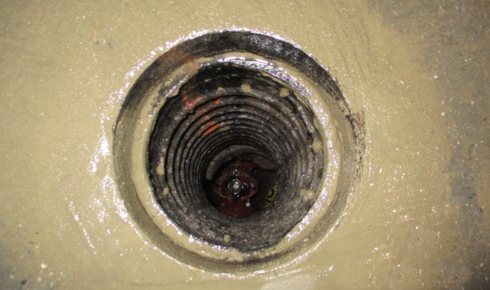
Most homeowners know where the front door key is, where the breaker panel sits, and maybe where the main water shut-off is inside the house. But the small utility access point near the curb or property line? That one often gets ignored. It might be half-hidden in grass, tilted slightly from years of mowing, or buried under soil after a landscaping project. Not very exciting, really.
Still, that little box can matter a lot when something goes wrong.
A stop box, access box, or utility box gives crews access to important underground valves and connections. In simple words, it helps control water service to a property. When it’s damaged, buried, rusted shut, or hard to find, even a basic repair can turn into a frustrating delay. And in a leak emergency, delay is the last thing anyone wants.
Why Stop Boxes Matter So Much
A stop box is usually installed between the street and the building, allowing water service to be shut off from outside. It’s especially useful if there is a major leak, a broken service line, or plumbing work that requires water to be turned off before it reaches the property.
Related reading Why Honesty, Integrity, and Excellence Still Matter in Professional Service
When the box is in good condition, access is quick. A technician can locate it, open it, and reach the valve without much trouble. But if the lid is missing, the tube is bent, or the box has shifted underground, the process becomes harder.
That’s why stop box repair should not be treated as a tiny maintenance issue. It may look minor from above, but it protects access to a key part of the water system. If a pipe bursts inside the home or water begins pooling around the foundation, being able to shut off service quickly can reduce damage and make the repair process smoother.
The Problem With Buried or Damaged Access Points
Utility access points get damaged in ordinary ways. A snowplow can hit one. A lawn mower can chip the lid. Soil can settle around it. Tree roots can shift the alignment. A driveway project or new landscaping can accidentally cover it. Sometimes, old boxes simply corrode or collapse after years in the ground.
The trouble is, many people don’t notice until they need access.
A buried or broken water line access box can slow down routine inspections, emergency shut-offs, and service line repairs. If crews have to spend extra time digging around to find or open it, the situation becomes more stressful than it needed to be. In colder climates, a box that sits too low or collects water can also become harder to access during freezing weather.
It’s a practical thing, not a fancy one. But practical things are often what keep a property from turning into a mess.
Related reading Why Knowing What’s in Your Water Can Make a Bigger Difference Than You Expect
Warning Signs You Shouldn’t Ignore
There are a few signs that a utility access box may need attention. If the lid is missing, cracked, loose, or sitting below ground level, it should be checked. If the box leans to one side or seems blocked with dirt, gravel, or roots, that can also cause trouble later.
Another warning sign is when water crews or plumbers have difficulty finding or operating the valve. That usually means the box is misaligned, damaged, or no longer giving proper access to the valve below.
Homeowners should also be careful during landscaping projects. Adding soil, mulch, pavers, or concrete over an access box may look cleaner for the yard, but it can create a serious headache later. Utility access should remain visible and reachable.
Related reading Why the Right Water Treatment Equipment Makes a Bigger Difference Than Most People Expect
Utility Boxes Support More Than Convenience
It’s easy to think of a utility box as just a cover in the ground. But it’s really part of a larger system. It helps protect valves, allows access for maintenance, and supports faster response when service needs to be controlled.
Professional utility box repair may involve raising the box to the correct grade, replacing a damaged lid, clearing debris, realigning the access tube, or repairing the surrounding area so it stays stable. In some cases, the box may need replacement if it has become too damaged to function properly.
Doing this work correctly matters because utility boxes sit where soil, weather, traffic, and landscaping can all affect them. A quick patch may not last if the box is unstable or poorly positioned.
Why Professional Help Is Usually Better
Some property owners may be tempted to dig around the box themselves. That can be risky. Underground utilities are not always exactly where people expect them to be, and damaging a line can create a much bigger problem than the original issue.
Related reading Choosing Between Whole-House Filtration, Reverse Osmosis, and Water Softeners
A trained crew knows how to locate the access point, protect nearby lines, and restore the box so it can be used properly. They also understand local utility requirements, which can matter if the access point connects to public water infrastructure.
Good repair work is not only about fixing what can be seen above ground. It’s about making sure the valve below can actually be reached and operated when needed.
A Small Fix That Can Save a Big Headache
The funny thing about utility access boxes is that nobody thinks about them when everything is working. And that’s fine. They aren’t meant to be noticed every day. But when a leak happens, when service work is needed, or when water has to be shut off fast, their condition suddenly matters a lot.
Related reading Water Safety at Home: What Most People Don’t Notice Until It’s Too Late
Keeping them visible, accessible, and properly maintained is one of those quiet property-care tasks that pays off later. It may not feel urgent today, but it can save time, money, and stress when timing matters most.
Sometimes the smallest things in the yard have the biggest responsibility underground.