Why the Right Water Treatment Equipment Makes a Bigger Difference Than Most People Expect
Water is one of those resources that quietly powers almost everything around us. It runs through homes, businesses, workshops, laboratories, restaurants, and manufacturing facilities without demanding much attention. Most days, we barely notice it. We simply expect it to work.
That changes the moment water quality starts causing problems.
A coffee suddenly tastes different. Equipment develops mineral buildup. Laboratory results become inconsistent. Appliances need repairs sooner than expected. Even something as simple as making ice or washing dishes can feel more difficult when water isn’t performing the way it should.
Fortunately, modern water treatment has come a long way. Today’s systems are designed to solve very specific problems rather than offering one-size-fits-all solutions. Choosing the right equipment often means better performance, lower operating costs, and fewer unexpected headaches over the years.
Related reading A Better Glass of Water Starts With the Right Filtration System
Water Quality Is Different Everywhere
It’s easy to assume that all water is essentially the same, but that’s far from reality.
Municipal supplies vary between cities. Groundwater changes depending on local geology, while private wells are influenced by rainfall, surrounding soil, and underground mineral deposits. Even two neighboring buildings can experience different water characteristics because of plumbing materials or infrastructure.
That variation explains why water treatment should always begin with understanding the actual condition of the incoming water rather than relying on assumptions.
Related reading Understanding Reverse Osmosis and Whole-Home Water Treatment for Everyday Living
Once you know what’s present, selecting the right treatment technology becomes much more straightforward.
Different Problems Need Different Solutions
Water may contain minerals, sediment, chlorine, dissolved solids, bacteria, or naturally occurring compounds that affect its quality. No single piece of equipment removes every possible impurity equally well.
That’s why professional water treatment systems are designed with specific purposes in mind.
Related reading Choosing Between Whole-House Filtration, Reverse Osmosis, and Water Softeners
Some focus on improving taste. Others reduce hardness. Certain systems protect sensitive equipment, while others create highly purified water for commercial or industrial applications.
Matching the technology to the actual problem produces far better results than purchasing equipment based solely on advertising or online reviews.
High-Purity Water Matters More Than Ever
For many commercial operations, standard filtered water simply isn’t enough.
Medical facilities, laboratories, pharmaceutical production, food processing, electronics manufacturing, and many research environments require water with extremely low levels of dissolved contaminants. Even tiny impurities can interfere with sensitive processes or affect product quality.
Related reading Why Knowing What’s in Your Water Can Make a Bigger Difference Than You Expect
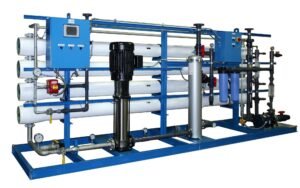
That’s where reverse osmosis units become especially valuable. By forcing water through a specialized membrane under pressure, these systems remove a significant percentage of dissolved minerals and unwanted substances, producing water that is considerably cleaner than untreated supplies.
The result is more consistent quality and greater confidence in applications where precision matters.
Purity Doesn’t End With Reverse Osmosis
Although reverse osmosis removes many dissolved contaminants, some applications demand even higher levels of purification.
Industries relying on precision manufacturing or scientific testing often require water that’s nearly free from dissolved ions altogether.
Related reading Water Safety at Home: What Most People Don’t Notice Until It’s Too Late
In those environments, deionization systems provide an additional purification stage by removing charged mineral particles remaining after other treatment processes. This creates exceptionally pure water suitable for highly specialized equipment and processes where consistency is essential.
For businesses operating in technical fields, maintaining that level of water quality helps protect expensive equipment while improving overall reliability.
Consistency Matters Just as Much as Equipment
Installing advanced treatment equipment is only part of the equation.
Even the best-designed systems require routine maintenance if they’re expected to perform reliably over many years. Filters eventually reach capacity, membranes require periodic inspection, and water softeners need replenishment to continue operating efficiently.
Ignoring maintenance often leads to declining performance long before equipment actually fails.
Regular servicing ensures water quality remains consistent while reducing the likelihood of costly emergency repairs.
Small Operational Details Have Big Effects
Businesses sometimes overlook how seemingly minor maintenance tasks influence overall efficiency.
Take water softeners, for example.
Without sufficient salt, regeneration can’t occur properly, allowing hardness minerals to gradually return to the water supply. That can quickly reduce equipment efficiency and allow scale buildup to begin again.
Having reliable salt delivery helps eliminate that concern by ensuring water softeners always have the materials needed to continue operating effectively. Instead of waiting until problems appear, businesses maintain consistent performance without unnecessary interruptions.
It’s a simple service that often prevents much larger maintenance issues down the road.
Better Water Supports Better Equipment
One of the biggest advantages of proper water treatment is what it prevents.
Scale buildup inside water heaters reduces heating efficiency. Sediment clogs valves and spray nozzles. Mineral deposits shorten the lifespan of coffee machines, boilers, dishwashers, cooling systems, and production equipment.
Cleaner water reduces that wear and tear, helping machinery operate more efficiently while lowering long-term maintenance costs.
For many organizations, those savings eventually exceed the original investment in treatment equipment.
Water Quality Influences Everyday Experiences
The benefits aren’t limited to industrial environments.
Restaurants serve beverages with cleaner flavor. Hotels provide brighter linens and better guest experiences. Offices encourage employees to drink more water when it tastes fresh, while homeowners notice softer skin, cleaner fixtures, and improved appliance performance.
Water quietly influences comfort, cleanliness, and overall satisfaction in ways many people don’t fully appreciate until improvements are made.
Once water quality improves, those everyday benefits quickly become part of normal life.
Making Smarter Decisions Starts With Testing
Every water source is unique, which is why testing remains one of the most valuable first steps before purchasing treatment equipment.
Professional analysis identifies hardness, dissolved solids, sediment, chlorine, iron, and other characteristics that influence system selection.
Instead of investing in unnecessary equipment, homeowners and businesses can choose solutions specifically designed for their water conditions and long-term goals.
That targeted approach improves performance while often reducing both installation costs and future maintenance requirements.
Good Water Is an Investment That Keeps Paying Back
Water treatment isn’t simply about cleaner water. It’s about protecting equipment, improving efficiency, reducing operating costs, and creating a better experience for everyone who depends on that water each day.
Whether it’s supporting sensitive industrial processes, improving workplace operations, or making everyday life more comfortable at home, the right treatment solution delivers value far beyond the initial installation.
When water works the way it should, you rarely think about it.
And perhaps that’s the clearest sign that you’ve made the right investment. Clean, dependable water quietly supports everything else, allowing homes and businesses alike to focus on what really matters.