When Your Tap Water Starts Acting a Little Strange
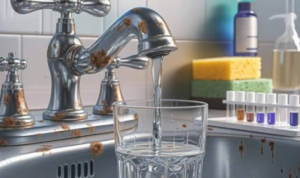
Water problems at home don’t always show up in a dramatic way. Most of the time, they creep in quietly. A glass that looks hazy. A shower door that never stays clean. Towels that feel rough no matter how much fabric softener you use. Maybe the tap water tastes slightly off, but not enough for anyone to make a big fuss.
Still, these little signs matter. Water runs through nearly every part of a home, so when something is wrong with it, the effects can spread into cooking, cleaning, bathing, laundry, and appliances. It’s easy to blame the dishwasher or the soap, but sometimes the water itself is the real troublemaker.
Small Signs That Shouldn’t Be Ignored
Many homeowners live with water issues for years because they seem normal. They scrub stains, buy bottled water, clean the kettle again, or replace a showerhead, thinking that’s just part of owning a house.
Related reading A Better Glass of Water Starts With the Right Filtration System
But common water problems often leave clues. White buildup around faucets may point to minerals. Orange stains can suggest iron. A rotten-egg odor may come from sulfur. Grit in the sink could mean sediment. A chlorine smell may be linked to municipal treatment.
The important thing is not to panic. It’s to notice patterns. If the same issue keeps returning, your water may need testing and proper treatment.
Why Mineral Buildup Becomes So Annoying
One of the most familiar household issues is hard water. It contains higher levels of minerals like calcium and magnesium. These minerals are usually invisible while water is flowing, but once the water dries, they can leave spots, film, and chalky deposits behind.
You might see this on glasses, faucets, shower walls, tiles, or inside the kettle. Hard water can also make soap less effective, so shampoo may not rinse well and laundry may feel stiff. Over time, mineral scale can collect inside water heaters, dishwashers, washing machines, and plumbing fixtures.
That means hard water is not just a cleaning problem. It can slowly become an appliance and maintenance problem too.
Related reading Why a Water Softener Can Be One of the Smartest Upgrades for Your Home
What Cloudiness Might Mean
Sometimes water looks a little milky or hazy when it comes from the tap. In some cases, this may simply be tiny air bubbles that clear after a minute. But if the cloudiness stays, appears regularly, or comes with particles, taste, or odor, it deserves a closer look.
Cloudy water can be caused by sediment, minerals, air, pressure changes, or other water quality concerns depending on the home and water source. Well water may behave differently than city water, and older plumbing can also play a role.
The safest approach is to test rather than guess. A clear glass test may offer a small clue, but a proper water analysis gives a much better answer.
Taste and Smell Tell Their Own Story
Water doesn’t need to look strange to have a problem. Taste and smell can be just as revealing. A metallic taste may suggest minerals or plumbing-related issues. A chlorine smell can make tap water unpleasant, even if it has been treated for safety. A sulfur odor is hard to ignore and can make showers or cooking feel uncomfortable.
Related reading Water Safety at Home: What Most People Don’t Notice Until It’s Too Late
Bad-tasting water usually leads people to bottled water, pitcher filters, or fridge dispensers. Those may help in small ways, but they don’t always solve the source of the issue. If the problem affects the whole house, a whole-home solution may be more practical.
Why Water Testing Matters
Guessing at water problems can waste money. A softener may help with mineral hardness, but it will not necessarily solve odor. A sediment filter may catch particles, but it may not improve taste. A carbon filter may reduce chlorine taste, but it may not fix iron stains.
Testing helps identify what is actually in the water. Once you know the cause, choosing the right treatment becomes much easier. Some homes need softening. Others need filtration. Some may need reverse osmosis for drinking water, while others need a combination of systems.
Related reading Understanding Reverse Osmosis and Whole-Home Water Treatment for Everyday Living
A good water specialist should explain the results in simple language, not overwhelm you with technical terms.
The Everyday Benefits of Better Water
When the right treatment is in place, the improvement often shows up in ordinary moments. Dishes look cleaner. Coffee tastes better. Laundry feels softer. Faucets stay clearer. Showers feel more comfortable. Appliances work with less mineral or sediment stress.
These changes may not be flashy, but they matter because water is used all day, every day. Better water can make the home feel easier to maintain and more comfortable to live in.
Related reading Why Honesty, Integrity, and Excellence Still Matter in Professional Service
Listen to What Your Water Is Showing You
Water problems are easy to dismiss until they become expensive or frustrating. A stain that keeps coming back, water that never tastes right, or glassware that always looks cloudy may all be signs worth investigating.
The good news is that most water issues can be understood and improved with proper testing and the right system. You don’t have to live with strange smells, mineral spots, rough laundry, or cloudy glasses forever.
Good water should be simple. It should taste right, look clear, clean well, and support your home quietly in the background. When it stops doing that, it’s probably time to listen.