The Plumbing Problems You Shouldn’t Ignore at Home
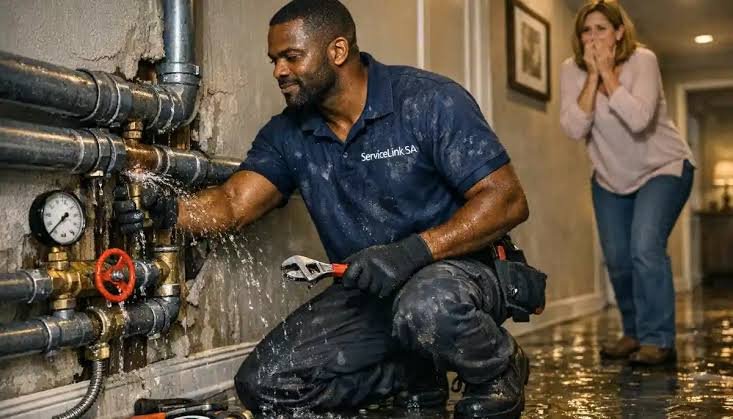
Most of us don’t think much about plumbing when everything is working properly. You turn on the tap, water comes out. You flush the toilet, it disappears as expected. The shower works, the kitchen sink drains, and life moves on.
Then one day, something changes.
Maybe there’s a drip under the sink. Perhaps the shower drain has started moving at the speed of a tired snail. Or worse, you wake up to the sound of water going somewhere it absolutely shouldn’t be going. Suddenly, plumbing becomes the most interesting—and stressful—part of the house.
The truth is, most plumbing problems don’t begin as dramatic disasters. They often start quietly. A small leak, an occasional gurgling sound, slightly lower water pressure. Paying attention early can save money, prevent property damage, and spare you from that awful moment of realizing the problem has been growing behind a wall for weeks.
Related reading Water Safety at Home: What Most People Don’t Notice Until It’s Too Late
A Working Plumbing System Does More Than You Realize
Modern homes depend on a complicated network of pipes, fixtures, drains, and connections. Because most of it is hidden behind walls or beneath floors, it’s easy to forget how much is happening every day.
Professional plumbing services can help homeowners with everything from routine inspections and fixture installation to leak detection, drain issues, and larger system problems. The right type of service depends on the age of the property and the condition of its plumbing.
Older homes, for example, may have pipes or connections that have experienced years of wear. Newer homes can have problems too, particularly if there are installation issues or unexpected blockages.
The important thing is not to assume that every small problem will magically disappear. Plumbing has a funny way of getting your attention eventually.
Related reading Cleaner Water at Home Shouldn’t Stop at the Kitchen Sink
A Dripping Faucet Isn’t Always Just an Annoyance
That little drip can be surprisingly easy to ignore. You hear it at night, promise yourself you’ll fix it over the weekend, and then somehow three months pass.
Sometimes the cause is simple. A worn washer or damaged component may be responsible. Other times, repeated dripping can point to a problem that needs a closer look.
Leaks beneath sinks are another issue worth checking. A small amount of moisture can gradually damage cabinets, flooring, or nearby materials. Hidden leaks can be even more troublesome because they may continue for a long time before becoming visible.
Related reading Understanding Nitrates and Bacteria in Your Water: Why Testing Comes First
Pay attention to unexplained damp spots, discoloration, peeling paint, or musty smells. These signs don’t always mean there is a major plumbing disaster hiding behind the wall, but they deserve investigation.
Catching a leak early is usually far less stressful than discovering water damage after the fact.
Slow Drains Can Be an Early Warning Sign
A slow drain is one of those problems that feels manageable until it isn’t.
Hair, soap residue, grease, food particles, and other debris can gradually restrict water flow. Sometimes cleaning an accessible drain trap or removing visible buildup helps. However, repeatedly pouring harsh products into the plumbing isn’t always the best long-term answer.
Related reading Understanding Reverse Osmosis and Whole-Home Water Treatment for Everyday Living
If several drains are slowing down at the same time, or you hear repeated gurgling sounds, there may be a larger issue somewhere in the system.
Professional plumbing repair can help identify whether the problem is a local blockage, a damaged pipe, or something affecting a larger section of the drainage system. Guessing and repeatedly trying temporary solutions can sometimes make the situation more frustrating.
There’s a difference between handling a simple clog and trying to solve a problem you can’t actually see.
Low Water Pressure Deserves a Closer Look
Low water pressure can turn an ordinary shower into a disappointing experience. But the cause isn’t always obvious.
Related reading Choosing Between Whole-House Filtration, Reverse Osmosis, and Water Softeners
Sometimes a fixture is partially blocked by mineral buildup. In other cases, the issue may involve a valve, pipe, leak, or another part of the water supply system.
If only one faucet or shower has weak pressure, the problem may be relatively localized. If the entire house suddenly experiences a noticeable drop, it’s worth taking the change more seriously.
Again, the goal isn’t to panic. Homes occasionally have minor plumbing quirks. But when something changes suddenly or keeps getting worse, it makes sense to find out why.
Know When a Plumbing Problem Is an Emergency
Some situations are clearly not the kind of thing you can postpone until next week.
A burst pipe, major leak, sewage backup, or rapidly spreading water may require emergency plumbing assistance. In those situations, acting quickly can help reduce damage.
Every homeowner should know where the main water shutoff valve is located. It’s one of those pieces of information you hope you never need, but when you do, you really do.
If water is leaking heavily, shutting off the supply when it is safe to do so can help limit the damage while you arrange professional assistance. Electrical safety is important too. Avoid entering areas where water may be in contact with electrical equipment.
Not every plumbing issue is an emergency, of course. A slowly dripping faucet can usually wait for a scheduled repair. A major leak flooding the floor is a different story entirely.
Why DIY Plumbing Has Its Limits
There are plenty of basic plumbing tasks homeowners can handle. Replacing a showerhead, cleaning a drain trap, or tightening an accessible fitting may be straightforward.
But plumbing systems can become complicated quickly.
A pipe hidden behind a wall, a serious blockage, a sewer issue, or a water heater problem may require specialized tools and experience. Attempting a complicated repair without understanding the system can create more damage and increase the eventual repair cost.
There’s nothing wrong with tackling a small project yourself. The trick is knowing where the line is.
A good rule of thumb is this: if the repair involves hidden pipes, major water flow, sewage, gas connections, or anything you’re uncertain about, getting professional advice is usually the smarter move.
A Little Prevention Can Save a Major Headache
Plumbing maintenance doesn’t need to be complicated.
Avoid putting grease and unsuitable materials down drains. Watch for small leaks around sinks and toilets. Pay attention to changes in water pressure. Deal with slow drains before they become completely blocked.
It’s also worth periodically checking areas that are easy to forget, such as beneath sinks, around water heaters, and near exposed pipes.
If you’re leaving home for an extended period, knowing how to manage the water supply can provide additional peace of mind. Seasonal changes can also affect plumbing, particularly in areas where temperatures become extremely cold.
Small habits aren’t exciting, but they can prevent a lot of unnecessary stress.
Choosing a Professional You Can Trust
When you need plumbing help, clear communication matters.
A reliable professional should explain the problem in understandable language and provide a reasonable idea of what needs to be done. If there are multiple repair options, you should understand the difference between them.
Price naturally matters, but the cheapest solution isn’t always the best value. Experience, workmanship, availability, transparent estimates, and warranties can all influence the quality of the service.
Don’t be afraid to ask questions. A good plumber should be able to explain the issue without making you feel like you need a technical degree to understand your own home.
Don’t Wait Until Water Forces the Issue
Plumbing problems are rarely convenient. They don’t check your schedule before appearing, and they certainly don’t care whether you’re busy, tired, or planning to leave for the weekend.
That’s why paying attention to early warning signs is so useful. A drip, slow drain, strange sound, damp patch, or sudden change in water pressure might seem minor today, but investigating it early can prevent a much bigger headache tomorrow.
A well-maintained plumbing system quietly supports almost every part of daily life. You may never think about it when things are running smoothly—and honestly, that’s probably the goal.
Take care of the small issues, know when to call for help, and keep a little respect for the pipes hidden behind your walls. They do a lot more work than most of us realize.