Cleaner Water at Home Shouldn’t Stop at the Kitchen Sink
Most people think about water quality when they pour a glass from the kitchen tap. That makes sense, really. Drinking water gets most of the attention. But water moves through the whole house, not just one faucet. It runs through showers, laundry machines, dishwashers, bathroom sinks, ice makers, tubs, and outdoor hose connections. Every day, quietly, it touches more parts of home life than we usually notice.
And sometimes, the signs are easy to overlook. A chlorine smell when the shower first turns on. Soap that doesn’t rinse quite clean. Dishes that come out with a faint film. Skin that feels dry after bathing. Towels that never seem as soft as they should. None of these things feel like an emergency, but together they can make a home feel less fresh than it should.
That’s why more homeowners are starting to look beyond small pitcher filters or single-faucet systems. They want water that feels cleaner everywhere, not only in one glass.
Related reading Understanding Reverse Osmosis and Whole-Home Water Treatment for Everyday Living
Why Water Quality Matters Throughout the House
A
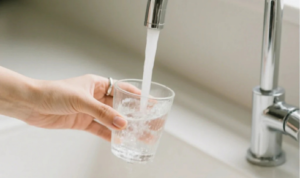
is designed to treat water as it enters the home, before it travels to different rooms and appliances. Instead of filtering only one tap, it helps improve the water supply across the entire property.
This can make a noticeable difference in everyday routines. Shower water may smell cleaner. Laundry may feel fresher. Bathroom sinks, kitchen fixtures, and appliances all receive treated water instead of water carrying the same unwanted taste, odor, or particles from the main supply.
Of course, every home is different. City water, well water, old plumbing, local treatment methods, and household usage all play a role. But the basic idea is simple: if the water is improved before it reaches the rest of the house, the benefits can show up in more places.
Related reading Choosing Between Whole-House Filtration, Reverse Osmosis, and Water Softeners
The Problem With Treating Only One Tap
Single-point filters can be useful. A kitchen filter, for example, may improve the taste of drinking water. But it doesn’t help with the shower upstairs, the washing machine in the laundry room, or the bathroom tap where kids brush their teeth.
That’s where filtered water from every tap becomes appealing. It gives the home a more consistent water experience. You don’t have to remember which faucet is filtered and which one isn’t. You don’t have to rely only on bottled water or a pitcher sitting in the fridge.
It also feels more natural. Clean water should not feel like a special feature available only in one corner of the kitchen. It should be part of how the whole house works.
Chlorine Smell Is More Common Than People Think
Municipal water is often treated to make it safer for public use, and chlorine is commonly part of that process. While this can help control harmful organisms in the water supply, the smell and taste can be unpleasant once the water reaches your home.
Related reading Why the Right Water Treatment Equipment Makes a Bigger Difference Than Most People Expect
For many families, chlorine reduction is one of the biggest reasons to consider whole-home filtration. Chlorine odor can be especially noticeable in hot showers, where steam makes the smell stronger. Some people also notice it in cooking water, ice, or freshly washed laundry.
Reducing that harsh smell can make water feel cleaner and softer, even before you think about anything else. A shower becomes more comfortable. Drinking water tastes less chemical. The whole home feels a little fresher.
Better Water Can Support Appliances Too
Water does more than fill a glass. It runs through machines that cost real money to repair or replace. Dishwashers, washing machines, water heaters, refrigerator lines, and coffee makers all deal with whatever is in the water supply.
If the water carries sediment, excess minerals, chlorine, or other unwanted elements, appliances may have to work harder. Filters can help reduce some of that burden, depending on what type of system is installed and what the water contains.
Related reading Water Safety at Home: What Most People Don’t Notice Until It’s Too Late
This doesn’t mean a filter solves every appliance problem. It won’t fix old plumbing or replace regular maintenance. But cleaner incoming water can be one more layer of protection for the systems you use every day.
Showers, Skin, and Daily Comfort
People often notice water quality most clearly in the shower. Water that smells strongly of chemicals or leaves skin feeling tight can make bathing less pleasant. Hair may feel dull, and soap may not rinse the way you expect.
Filtered water can make those routines feel better. Not in a dramatic, movie-scene kind of way. More like a quiet improvement you notice after a week or two. The shower smells cleaner. Skin feels less stripped. The bathroom doesn’t have that strong tap-water odor.
Related reading The Smart First Step Toward Better Water at Home
It’s a small comfort, but small comforts stack up when they happen every single day.
Choosing the Right Filtration System
Before installing any system, it helps to test the water. A proper test can show what needs to be addressed, whether that’s chlorine, sediment, hardness, odor, or other concerns. From there, the right filter can be matched to the home instead of guessing.
Some homes may need carbon filtration. Others may need sediment pre-filters, softening, or more advanced treatment. The best setup depends on the water source and the household’s real needs.
A Cleaner Home Starts With Cleaner Water
Whole-home filtration is not just about taste. It is about creating a home where water feels better in every room. From showers to laundry, from cooking to cleaning, better water can quietly improve the way a house functions.
And maybe that’s the best part. You don’t always need a flashy upgrade to make home life better. Sometimes, you just need cleaner water flowing through the places you already use every day.