




There’s something unforgettable about Indian street food. Maybe it’s the chaos—the sizzling pans, the quick hands, the unapologetic mix of spices. Or maybe it’s just how personal it feels. You don’t just eat it, you experience it.
For a long time, this kind of food lived mostly where it was born—on crowded streets, in local markets, outside railway stations. But lately, something interesting has been happening.
It’s traveling.
The Charm That Doesn’t Translate—Yet Still Does
Street food isn’t just about taste. It’s about context. Eating pani puri while standing roadside, dodging traffic and chatting with strangers—that’s part of the deal.
So when these dishes move abroad, something inevitably changes.
And yet, somehow, they still connect.
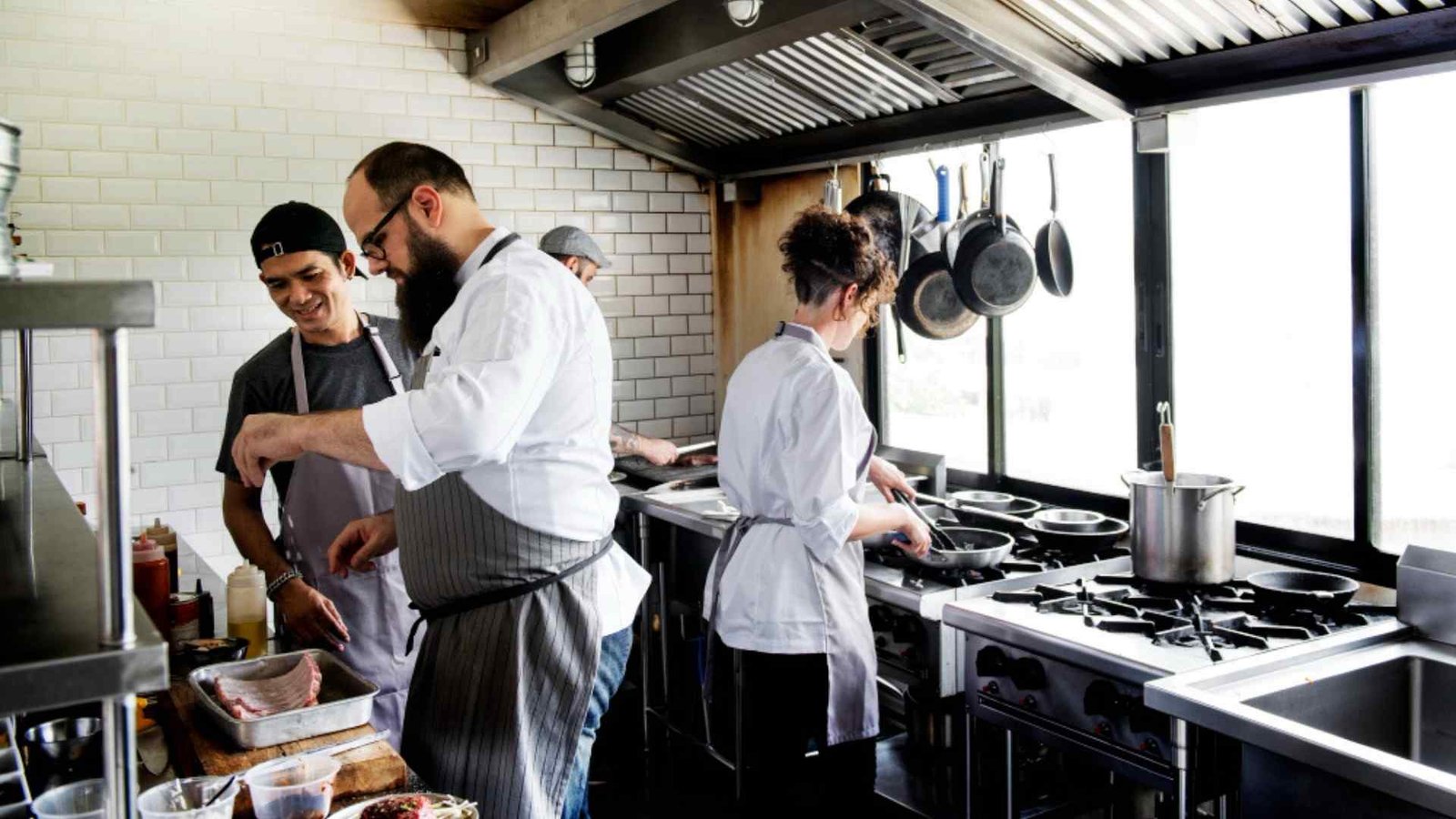
Restaurants across cities like London, New York, and Melbourne are trying to recreate that raw energy. Not perfectly, of course. But enough to give people a glimpse of what makes Indian street food so addictive.
Why the World Is Suddenly Paying Attention
Global food trends have shifted. People aren’t just looking for fine dining anymore—they’re curious about authenticity.
And Indian street food delivers that in spades.
It’s bold, unapologetic, layered with flavors that don’t try to please everyone. Dishes like Pani Puri or Vada Pav aren’t designed for subtlety. They hit you all at once—spicy, tangy, crunchy.
That kind of intensity stands out, especially in markets where food can sometimes feel… predictable.
Reinvention Without Losing Identity
Here’s where things get tricky.
When street food goes global, it often gets adapted. Less spice, different ingredients, sometimes even a completely new presentation.
You’ll find deconstructed chaat in upscale restaurants or fusion versions of classics served on minimalist plates.
Purists might roll their eyes—and fair enough. But this reinvention also helps these dishes travel further. It introduces them to people who might otherwise never try them.
It’s not about replacing the original. It’s about expanding its reach.
The Role of Indian Diaspora
A big part of this story comes down to people.
Indian communities living abroad have carried their food traditions with them for decades. Small eateries, food trucks, family-run kitchens—they’ve been quietly building a bridge between cultures.
Now, that bridge is getting wider.
What started as comfort food for homesick migrants is becoming mainstream. And not just within Indian circles—everyone’s curious now.
Social Media: The Unexpected Catalyst
Let’s not ignore the obvious—social media has played a huge role.
A single viral video of a street vendor making butter-loaded pav bhaji can reach millions overnight. Suddenly, people thousands of miles away are googling ingredients, trying recipes, or hunting for local spots that serve something similar.
Food has always been visual, but now it’s global in seconds.
And Indian street food, with its colors and textures, is practically made for the camera.
The Bigger Question of Authenticity
The phrase Regional Indian Street Food ka global expansion kaise ho raha hai isn’t just about growth—it’s about evolution.
As these foods travel, they change. Sometimes subtly, sometimes significantly.
The question is, does that dilute authenticity? Or does it create new versions that stand on their own?
There’s no single answer.
Maybe authenticity isn’t fixed. Maybe it’s something that adapts, depending on where it lands.
Challenges Along the Way
Of course, it’s not all smooth.
Replicating street food abroad comes with hurdles:
- Sourcing the right ingredients
- Maintaining original flavors
- Balancing hygiene standards with traditional methods
And then there’s pricing. What costs a few rupees in India can become a premium item overseas.
That shift can feel strange—but it also reflects the effort it takes to bring these dishes to a new audience.
A Cultural Exchange, Not Just a Food Trend
What’s happening here is bigger than food.
When someone in another country tries chole bhature or misal pav for the first time, they’re not just tasting a dish. They’re experiencing a piece of culture.
Food becomes a conversation starter. A way to understand a place, its people, its habits.
And Indian street food, with its diversity, has a lot to say.
Final Thoughts: Still Rooted, Yet Growing
Even as it travels, Indian street food hasn’t lost its essence.
It’s still messy, still bold, still full of character. The setting might change—from a roadside stall to a sleek café—but the soul remains.
And maybe that’s the most interesting part.
Because in a world where everything is becoming standardized, there’s something refreshing about food that refuses to be tamed completely.
It evolves, yes. But it also remembers where it came from.
And that balance? That’s what makes its journey worth watching.