

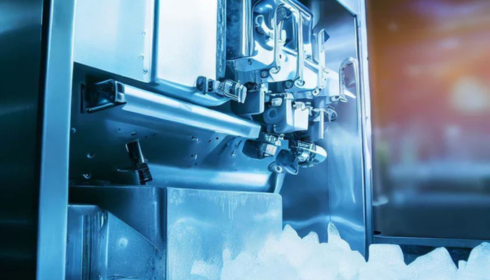



There was a time when ice trays were enough for most households. People filled them at the sink, slid them into the freezer, and didn’t think much about it afterward. But modern kitchens work differently now. Convenience shapes almost everything, and ice machines have quietly become part of everyday routines in ways many homeowners barely notice until something goes wrong.
You realize it quickly when the machine suddenly stops making ice before guests arrive, or when drinks never seem cold enough during summer afternoons. It sounds minor at first, honestly, but appliance problems have a strange way of becoming surprisingly disruptive once daily habits are interrupted.
And that’s exactly why more homeowners are paying attention to maintaining their ice machines properly.
Ice Machines Are No Longer Just Commercial Appliances
For years, ice machines were mostly associated with restaurants, hotels, bars, and cafés. Now, though, many homeowners have built-in systems right inside their kitchens or entertainment areas. High-end refrigerators include advanced ice makers, and standalone units are becoming increasingly common in modern homes.
These Residential ice machines aren’t just luxury additions anymore. For large families, people who entertain frequently, or households living in warmer climates, reliable ice production genuinely makes daily life easier.
But like most appliances, they need occasional maintenance and proper care to stay reliable long term.
Most Ice Machine Problems Start Gradually
One thing about appliance issues is that they rarely appear overnight. Usually, there are small warning signs that homeowners dismiss at first because the machine still technically works.
Maybe the ice cubes look smaller than usual. Perhaps production slows down slightly over a few weeks. Sometimes the machine starts making unusual sounds or produces cloudy ice instead of clear cubes.
The challenge is that people naturally postpone dealing with small inconveniences. Life gets busy. If the appliance still functions “well enough,” repairs slide lower on the priority list.
Unfortunately, minor problems tend to become larger ones over time.
Low Ice Production Is Often a Bigger Warning Sign
One of the most common complaints homeowners notice first is inadequate ice production. The machine still works, but suddenly it can’t keep up the way it used to.
This issue can stem from several different causes. Clogged filters reduce water flow. Dirty condenser coils affect cooling efficiency. Temperature inconsistencies inside the freezer section may interfere with proper ice formation. Even something as simple as restricted airflow can reduce production dramatically.
And honestly, homeowners sometimes underestimate how interconnected modern appliances are. One small component struggling in the background often creates ripple effects throughout the entire system.
What starts as slower ice production may eventually lead to full appliance failure if ignored too long.
Water Leaks Are Never Something to Ignore
Appliance leaks always create a certain level of panic inside households. Water damage spreads quietly and can become expensive surprisingly fast.
Ice machines are particularly tricky because leaks sometimes develop gradually. A little moisture near the appliance doesn’t always seem alarming initially. People wipe it up, assume someone spilled something, and move on.
But recurring water leaks usually indicate deeper issues somewhere inside the system.
Loose connections, damaged supply lines, clogged drains, or faulty water inlet valves are all common causes. Left unresolved, those small leaks can damage flooring, cabinetry, and surrounding kitchen materials over time.
And honestly, many homeowners don’t notice the full extent of water damage until it becomes much more serious than expected.
Modern Ice Machines Are More Complicated Than They Look
From the outside, ice machines seem simple enough. Water goes in, ice comes out. But internally, these appliances rely on multiple systems working together constantly.
Water supply lines, pumps, temperature sensors, filters, cooling systems, electronic controls, and drainage mechanisms all play important roles. If one component begins malfunctioning, the entire appliance can start behaving unpredictably.
That’s one reason experienced repair technicians matter so much now. Diagnosing modern appliances properly requires both mechanical understanding and familiarity with electronic systems.
And honestly, homeowners usually notice immediately when a technician genuinely understands appliance diagnostics instead of simply replacing random parts hoping for the best.
Maintenance Makes a Huge Difference
Like most appliances, ice machines perform much better with occasional preventative care. But maintenance tends to get ignored because the machine sits quietly doing its job until something changes noticeably.
Cleaning filters regularly helps maintain water quality and proper flow. Keeping condenser coils clean improves cooling efficiency. Checking supply lines occasionally helps prevent leaks before they become larger issues.
Even simple habits like emptying old ice periodically or ensuring proper ventilation around the machine can improve performance significantly over time.
It’s not glamorous advice, honestly, but small maintenance routines genuinely extend appliance lifespan and reduce repair costs later.
Why Fast Repairs Matter
Ice machine problems aren’t always emergencies in the same way refrigerator failures are, but they still affect everyday convenience quickly.
For homeowners who entertain often, host gatherings, or rely heavily on steady ice production, delays become frustrating fast. In commercial settings, the pressure increases even more because customer service and operations depend directly on functioning equipment.
Quick repairs often prevent secondary damage too. A small water leak fixed early is much less expensive than replacing damaged flooring weeks later.
And honestly, appliances almost always become more expensive to repair once problems spread further through the system.
Good Service Still Matters
People remember appliance repair experiences for reasons beyond whether the machine got fixed.
Did the technician explain things clearly? Were costs transparent from the beginning? Did anyone seem rushed or dismissive during the appointment? These details matter because homeowners already feel stressed when appliances stop functioning properly.
Good repair professionals reduce that stress through communication, honesty, and straightforward advice.
And honestly, that kind of professionalism stands out more now because so many service experiences elsewhere feel rushed or impersonal.
Final Thoughts
Ice machines may seem like small conveniences at first glance, but they quietly support daily comfort in ways most people barely notice until something stops working properly.
Whether it’s slow ice production, leaks, or cooling issues, early attention usually prevents much larger problems later. And in a world increasingly built around convenience and efficiency, reliable appliances still make a surprisingly big difference in everyday life.