Living With Well Water Teaches You to Pay Attention to the Little Things
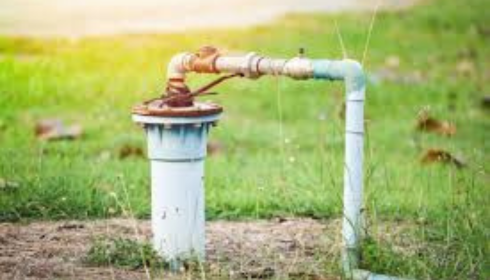
People who rely on city water and people who live with private wells tend to think about water very differently. If you’ve ever lived in a home with a private well, you probably understand exactly what I mean.
With municipal systems, water mostly feels invisible. You turn on the faucet and assume everything is being handled somewhere else by someone else. But when your home depends on a well, you become more connected to the water itself. You notice changes more quickly. The smell after heavy rain. A strange taste one morning. Orange staining around a sink that wasn’t there a few months ago.
It’s a different relationship entirely.
And honestly, that awareness isn’t necessarily a bad thing. It simply means homeowners become more involved in understanding what’s happening beneath their own property and inside the water they use every single day.
Related reading Understanding Reverse Osmosis and Whole-Home Water Treatment for Everyday Living
Private Wells Have Their Own Personality
One thing people quickly discover about well water is that no two wells behave exactly the same way. Some produce beautifully clear water for decades with almost no issues. Others deal with hardness, sulfur smells, sediment, iron staining, or seasonal fluctuations that seem to appear out of nowhere.
I remember visiting a farmhouse where the water tasted perfectly normal during winter but developed a strong earthy smell every summer after long periods of heat. The homeowners laughed about it because they’d gotten used to the pattern over the years, but it still affected everything from coffee to showers.
That’s common with private wells. Water conditions can shift slowly enough that homeowners adapt without realizing how much better things could actually feel.
Water Problems Rarely Stay Small
At first, most well water issues seem cosmetic or mildly annoying. Maybe dishes come out cloudy from the dishwasher. Maybe there’s mineral buildup around faucets. Sometimes towels feel rough after laundry even with fabric softener.
Related reading Water Safety at Home: What Most People Don’t Notice Until It’s Too Late
But water touches almost every part of a home. When problems go untreated, they eventually affect appliances, plumbing systems, and daily comfort in ways people don’t always connect back to the water itself.
Hard minerals can shorten the lifespan of water heaters and washing machines. Iron staining becomes harder to remove over time. Sediment can affect water pressure and fixture performance.
That’s why more homeowners are investing in proper well water treatment instead of simply tolerating the issues year after year.
Better Water Quietly Changes Everyday Life
The interesting thing about improving water quality is that most changes feel subtle at first. There’s rarely one dramatic moment where everything suddenly transforms overnight.
Related reading Why a Water Softener Can Be One of the Smartest Upgrades for Your Home
Instead, homeowners notice dozens of small improvements stacking together.
Coffee tastes cleaner. Soap rinses more naturally in the shower. Laundry feels softer. Glassware comes out clearer from the dishwasher. Faucets stay cleaner longer between scrubbing sessions.
Honestly, it’s the kind of improvement people don’t fully appreciate until they experience it consistently.
I once spoke with a homeowner who said the biggest surprise after installing treatment equipment was how much less cleaning they had to do around the bathroom. They’d spent years assuming constant mineral stains were just part of normal home maintenance.
Related reading Why the Right Water Treatment Equipment Makes a Bigger Difference Than Most People Expect
Turns out they weren’t.
Why Water Testing Matters So Much
One mistake homeowners sometimes make is assuming all water issues are obvious. But some of the most important water concerns aren’t visible at all.
Water may appear crystal clear while still containing high mineral content, bacteria, or other impurities that affect long-term safety and appliance performance.
That’s why regular water testing is one of the smartest habits private well owners can develop. Testing removes guesswork and helps homeowners understand exactly what’s happening in their water supply instead of relying purely on taste or appearance.
And honestly, knowing the facts usually feels less stressful than uncertainty.
Different wells require different solutions. Some homes mainly need softening systems for hardness. Others may require sediment filtration, iron removal, UV purification, or combinations of multiple treatments.
Related reading The Smart First Step Toward Better Water at Home
Without proper testing, homeowners often end up solving the wrong problem.
Seasonal Changes Can Affect Well Water
Another thing many people don’t expect is how much weather can influence private wells.
Heavy rainfall, drought conditions, flooding, and even nearby construction activity can affect groundwater conditions temporarily or long term. Water that seemed perfectly consistent for years may suddenly develop odor, discoloration, or sediment issues after environmental changes nearby.
That unpredictability is part of why routine maintenance matters so much.
Private wells don’t necessarily require constant attention, but they do benefit from periodic monitoring and professional evaluation. Staying proactive tends to prevent larger and more expensive problems down the road.
Modern Treatment Systems Feel Less Complicated Today
Years ago, home water systems often felt bulky and intimidating. Big noisy tanks tucked away in basements. Constant maintenance. Technical manuals nobody wanted to read.
Modern systems are much more user-friendly now. Many operate quietly in the background with minimal upkeep beyond occasional filter replacements or scheduled servicing.
That simplicity has encouraged more homeowners to stop postponing water improvements indefinitely.
Because honestly, most families don’t want complicated equipment. They just want water that feels dependable every day without becoming another household headache.
Clean Water Creates Peace of Mind
At the end of the day, private well ownership comes with responsibility, but it also offers something valuable: control.
Homeowners have the ability to monitor, improve, and protect the water their families rely on every day instead of simply hoping everything is fine behind the scenes.
And once water issues are properly addressed, daily life feels noticeably easier.
You stop wondering why the tap smells strange after storms. You stop scrubbing stubborn stains constantly. You stop second-guessing whether the water tastes “off” today.
Life just settles down a little.
Maybe that’s the real value of caring for a private well system. Not perfection, not fancy equipment, but confidence — the quiet comfort of knowing the water flowing through your home is something you can genuinely trust.