Why Good Electrical Planning Shapes a Building Long Before Anyone Walks Inside
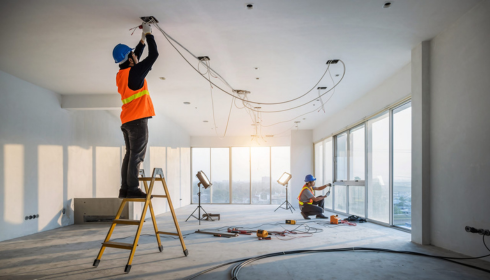
There’s a stage in every construction project where the building feels strangely quiet. The walls may still be open, wires hanging loosely from ceilings, dust scattered across unfinished floors. Nothing looks polished yet, and honestly, it can be difficult to imagine the final result.
But that unfinished phase is often where some of the most important decisions happen.
Most people naturally focus on visible design choices first — lighting fixtures, flooring, office layouts, paint colours, furniture placement. Yet behind all of those details sits an electrical system that will quietly support the building every single day long after construction crews disappear.
And if there’s one thing experienced contractors tend to agree on, it’s this: problems are much easier to prevent during the early stages than they are to fix later.
Related reading Residential Dumpster Rental Makes Big Home Cleanups Much Easier
Buildings Depend on Electricity More Than Ever
Modern buildings operate in ways older generations probably never anticipated.
Even relatively small businesses now rely heavily on stable electricity throughout the day. Offices depend on internet infrastructure, cloud-connected systems, security equipment, and charging stations. Restaurants operate digital ordering systems, refrigeration units, and automated payment terminals simultaneously. Warehouses and retail spaces often run technology that can’t afford interruptions at all.
That growing dependence means infrastructure decisions carry more weight than they used to.
And honestly, most people don’t think much about electrical systems until something suddenly stops working.
Related reading Why the Right Water Treatment Equipment Makes a Bigger Difference Than Most People Expect
The Value of Thinking Ahead
Good construction work almost always comes down to smart planning.
That sounds obvious, maybe even cliché, but it’s surprisingly true when it comes to electrical infrastructure. Buildings that function smoothly years later usually benefited from careful thinking during the earliest stages of development.
The tricky part is that electrical systems aren’t only built for the present moment. They also need to support future growth.
Businesses expand. Equipment changes. Staff numbers increase. Technology evolves faster than expected. A layout that feels perfect today may become restrictive surprisingly quickly if systems weren’t designed with flexibility in mind.
Related reading Water Safety at Home: What Most People Don’t Notice Until It’s Too Late
I once heard a site manager say, “The cheapest time to solve electrical problems is before the walls go up.” That line stuck with me because it captures something important about construction work people rarely think about.
Once ceilings are closed and operations begin, modifications become far more disruptive and expensive.
Electrical Work Shapes How a Space Feels
One thing people sometimes underestimate is how strongly electrical infrastructure affects everyday comfort.
Related reading Why Good Water Feels Like a Small Daily Upgrade
Lighting changes how productive offices feel. Stable power keeps equipment functioning reliably. Well-positioned outlets make spaces easier to use naturally. Proper distribution systems prevent frustrating interruptions during busy periods.
Most people won’t consciously notice these things when they work well. They simply experience the building as comfortable and functional.
That’s part of why thoughtful electrical planning matters so much.
Good electrical design isn’t only technical. It’s practical. It considers how people will actually move through the space and interact with it daily. It supports convenience quietly in the background without demanding attention.
Related reading A Better Glass of Water Starts With the Right Filtration System
And honestly, that quiet reliability becomes incredibly valuable over time.
Commercial Projects Bring Bigger Challenges
Commercial spaces carry very different electrical demands compared to residential buildings.
A family home may need stable electricity for appliances and entertainment systems. A commercial environment often depends on power for daily operations, customer service, security systems, internet infrastructure, refrigeration, machinery, and safety compliance all at once.
Even small disruptions can create major headaches.
That’s why experienced commercial electrical services approach projects differently. They’re not simply installing cables or outlets. They’re designing systems capable of supporting real-world business operations under pressure.
Restaurants need stable kitchen equipment during peak hours. Warehouses require reliable power for machinery and inventory systems. Offices depend on uninterrupted connectivity throughout the workday.
The electrical setup quietly influences whether those operations feel smooth or constantly frustrating.
Energy Efficiency Is Now Part of Smart Construction
Rising electricity costs have changed how many businesses approach infrastructure decisions.
Efficiency is no longer treated like a bonus feature reserved for luxury developments. It’s becoming part of responsible long-term building strategy.
Modern electrical systems often include LED lighting, smarter load balancing, automated controls, and infrastructure designed to reduce unnecessary power consumption over time. Efficient systems usually create fewer maintenance issues too because components aren’t constantly operating under excessive strain.
And interestingly, energy-conscious buildings often feel more reliable overall.
That combination matters more now because businesses want spaces that not only function today, but continue operating efficiently years into the future without constant expensive upgrades.
The Best Electrical Systems Stay Invisible
There’s something oddly satisfying about buildings where everything simply works naturally.
The lights feel comfortable. Equipment powers on consistently. Staff can focus on work without interruptions. Customers never notice technical issues in the background. Nobody stops to think about the infrastructure because there’s no reason to.
And honestly, that’s probably the clearest sign the job was done properly.
Good electrical work rarely attracts attention afterward. Instead, it quietly supports everything happening inside the building while staying hidden behind walls and ceilings most people never think about again.
But without that infrastructure, modern commercial spaces simply couldn’t function the way we expect them to.
Which is why the early decisions matter so much.
Because long before a building feels finished, its future reliability is already being shaped behind the scenes.