Why People Are Paying Closer Attention to What’s in Their Water
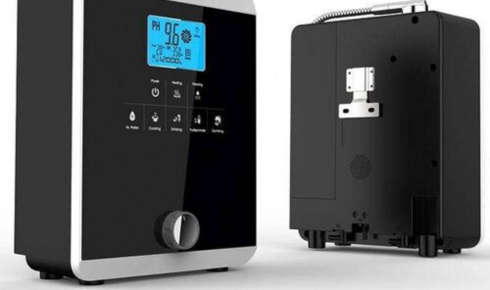
Most of us grew up assuming water was simple. You turned on the tap, filled a glass, and moved on with your day. But somewhere over the years, water became a much bigger conversation. People started reading labels, comparing filtration systems, discussing minerals and pH levels like they were talking about coffee beans or organic produce.
At first, it sounded a little excessive to some people. Water is water, right?
But honestly, once you begin noticing differences in taste, smell, or how water feels after a shower, it becomes surprisingly hard to ignore. And when homeowners start learning about what’s actually flowing through their pipes every day, curiosity naturally follows.
That’s why conversations around water quality have shifted from basic filtration toward a broader interest in wellness, hydration, and long-term health habits.
Related reading A Better Glass of Water Starts With the Right Filtration System
Clean Water Is About More Than Just Taste
Of course, taste is usually the first thing people notice.
Chlorine-heavy tap water can taste sharp or chemical-like. Hard water may leave behind a slightly metallic or chalky feeling. Some water simply feels “flat,” even if it technically meets safety standards.
But water quality affects far more than flavor.
It influences coffee, tea, cooking, skin comfort, appliance lifespan, and even how much water people naturally drink throughout the day. When water tastes clean and refreshing, hydration becomes easier without much effort.
That’s one reason modern water filtration technology has evolved so quickly in recent years. Homeowners aren’t only looking for systems that remove contaminants anymore. They want water that feels genuinely pleasant to use every single day.
And thankfully, filtration systems today are far more advanced than the bulky, maintenance-heavy setups people remember from years ago. Compact under-sink systems, reverse osmosis units, and whole-home filtration options now give homeowners more control over water quality without turning the kitchen into a chemistry lab.
Related reading Why the Right Water Treatment Equipment Makes a Bigger Difference Than Most People Expect
The Growing Interest in Alkaline Water
One topic that keeps surfacing in water discussions is alkalinity.
People hear about alkaline water from fitness communities, wellness influencers, health blogs, or friends who suddenly swear their water tastes “lighter” after installing a new system. Naturally, curiosity follows.
A lot of this conversation revolves around pH balance, which refers to how acidic or alkaline water is on the pH scale. Standard drinking water usually falls close to neutral, while alkaline water has a slightly higher pH level.
Now, to be fair, the internet sometimes turns this topic into a miracle-health debate, and that’s where things can get exaggerated. Water alone isn’t going to magically transform someone’s health overnight.
But many people genuinely do prefer the taste and drinking experience of slightly alkaline water. Some say it feels smoother or more refreshing, particularly after workouts or long days in hot weather.
Related reading Water Safety at Home: What Most People Don’t Notice Until It’s Too Late
And honestly, preference matters more than people think. When water tastes better, most of us naturally drink more of it.
Hydration Habits Matter More Than Trends
This is probably the most practical takeaway in the entire conversation.
Whether someone prefers filtered water, mineral-rich water, alkaline water, or standard tap water, the bigger goal is usually the same: staying consistently hydrated throughout the day.
That sounds simple, but daily habits are shaped by convenience and enjoyment more than discipline alone.
Related reading Why Good Water Feels Like a Small Daily Upgrade
If water tastes unpleasant, people unconsciously drink less. They reach for soda, energy drinks, or coffee instead. But when water feels clean and refreshing, hydration becomes automatic rather than something people force themselves to remember.
That subtle behavioral shift is often where better water systems make the biggest real-world impact.
The Wellness Industry and Water Claims
Of course, once water became part of wellness culture, marketing exploded.
You’ve probably seen bottles promising enhanced energy, detoxification, anti-aging benefits, or improved recovery. Some discussions even focus on the supposed antioxidant properties associated with certain ionized or hydrogen-rich waters.
And honestly, this is where a little balance is important.
Scientific research around these claims is still evolving, and not every marketing statement deserves blind trust. But that doesn’t mean every aspect of enhanced filtration or ionization is meaningless either.
Related reading Understanding Nitrates and Bacteria in Your Water: Why Testing Comes First
Sometimes the benefits are practical rather than dramatic. Cleaner taste. Better hydration habits. Reduced chlorine exposure. More enjoyable drinking experiences. Less reliance on sugary beverages or bottled water.
Those are meaningful improvements on their own without needing exaggerated promises attached to them.
Better Water Quietly Improves Daily Life
One interesting thing homeowners often mention after upgrading their water systems is how many tiny routines start feeling smoother.
Morning coffee tastes richer. Tea becomes less bitter. Ice cubes stop carrying faint chemical odors from the tap. Cooking feels different somehow, even if people struggle to explain exactly why.
Then there are the household benefits beyond drinking.
Filtered water can help reduce mineral buildup around faucets and fixtures. Some systems improve skin comfort during showers. Appliances often operate more efficiently with cleaner water flowing through them regularly.
None of these changes are dramatic individually. But together, they create a home environment that simply feels more comfortable.
Finding What Actually Works for Your Home
The tricky part about water treatment is that there’s no universal solution.
Some households mainly need sediment filtration. Others struggle with hard water minerals. Some people care most about taste, while others focus on reducing contaminants or improving hydration habits.
That’s why thoughtful water testing matters more than trendy internet advice.
A proper water analysis gives homeowners a much clearer understanding of what’s actually present in their supply before investing in equipment. Sometimes the issue is simpler than expected. Other times, hidden problems become obvious only after testing.
Either way, real information beats guessing every time.
Water Is One of Life’s Quiet Essentials
Maybe that’s why people have become more interested in it lately.
Water touches almost every part of daily life, yet most of us barely think about it until something feels wrong. Once quality improves, though, the difference becomes surprisingly noticeable — not in flashy dramatic ways, but through small daily comforts that quietly make life feel easier.
And honestly, those subtle improvements are often the ones that last longest.