The Hidden Problem in Household Water Most People Don’t Notice Right Away
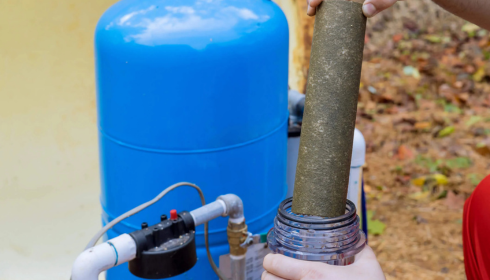
Water has a funny way of blending into the background of daily life. We turn on the tap without thinking much about it. Fill the kettle. Take a shower. Run the washing machine. It’s automatic, almost invisible.
Until something feels off.
Maybe the water starts looking cloudy after heavy rain. Maybe your faucets collect gritty buildup, or your washing machine suddenly seems less efficient than it used to be. Sometimes it’s tiny particles floating in a glass of water that finally make people stop and wonder what’s actually moving through their pipes every day.
And honestly, once homeowners notice those signs, it becomes difficult to ignore them.
Sediment Is More Common Than Many People Realize
A lot of homeowners assume clear water automatically means clean water. But sediment doesn’t always make a dramatic entrance.
Related reading A Better Glass of Water Starts With the Right Filtration System
Sometimes it’s subtle — fine sand, rust particles, dirt, or mineral debris slowly moving through plumbing systems over time. In homes using private wells, sediment issues are especially common, though municipal water systems can experience them too, particularly in older neighborhoods or after pipe maintenance.
The frustrating part is that these particles rarely stay isolated to one problem.
Sediment can clog appliances, reduce water pressure, damage plumbing fixtures, and leave residue inside dishwashers, washing machines, and water heaters. Even when the particles themselves aren’t harmful, the wear and tear they create over time definitely adds up.
That’s one reason more homeowners are paying attention to sediment filtration systems as part of overall water quality improvements. They’re not just trying to improve drinking water — they’re trying to protect the entire home from unnecessary strain.
Small Water Issues Tend to Become Expensive Slowly
One of the tricky things about sediment-related problems is how gradual they are.
Nobody wakes up one morning with catastrophic pipe damage caused by a tiny amount of debris. Instead, appliances slowly become less efficient. Showerheads clog. Water pressure changes slightly. Faucets start sputtering occasionally. Water heaters collect buildup at the bottom of the tank.
Related reading Why Knowing What’s in Your Water Can Make a Bigger Difference Than You Expect
Because these changes happen little by little, homeowners often adapt without connecting the dots immediately.
A friend of mine spent months complaining that his dishwasher “just wasn’t cleaning properly anymore.” He replaced detergent brands, cleaned the machine repeatedly, and even considered buying a new dishwasher before discovering sediment buildup was interfering with water flow inside the appliance.
Once the filtration issue was addressed, the dishwasher worked normally again.
Stories like that are surprisingly common.
Why Water Quality Varies So Much From Home to Home
One thing people quickly learn is that water conditions can differ dramatically depending on where they live.
Related reading Why the Right Water Treatment Equipment Makes a Bigger Difference Than Most People Expect
Homes using private wells often deal with sand, silt, or mineral particles naturally entering the water supply. Older city plumbing systems can release rust or pipe debris. Construction work or municipal maintenance sometimes stirs up temporary sediment issues even in neighborhoods that usually have clean water.
That’s why there’s no universal solution for every household.
Some families only need a basic sediment filter near the main water line to capture particles before they spread throughout the home. Others may need layered filtration systems designed to address additional concerns like chlorine, hardness, or odor alongside sediment itself.
The key is understanding the actual issue instead of guessing.
And honestly, testing or professional evaluation usually saves homeowners far more frustration than randomly buying products online based purely on advertising claims.
Cleaner Water Quietly Improves Everyday Comfort
What surprises many homeowners is how much cleaner water changes ordinary routines around the house.
Related reading Water Safety at Home: What Most People Don’t Notice Until It’s Too Late
Showers feel more consistent. Water pressure improves. Appliances run more smoothly. Faucets stop clogging constantly. Even laundry can feel fresher when water isn’t carrying extra debris through the washing cycle.
These improvements rarely feel dramatic all at once. They’re subtle, gradual, and quietly comforting.
That’s probably why homeowners often describe better water in emotional terms rather than technical ones. They’ll say the home feels cleaner or easier to maintain. The dishes look better. The water tastes fresher. Daily routines simply become less frustrating.
Related reading Why Good Water Feels Like a Small Daily Upgrade
And honestly, that kind of quiet improvement matters more than people sometimes realize.
Protecting Appliances Matters More Than Ever
Modern homes rely heavily on appliances that constantly interact with water. Dishwashers, water heaters, refrigerators, coffee machines, washing machines — all of them depend on steady, clean water flow to operate efficiently.
When sediment enters those systems regularly, wear and tear increases over time.
That’s why proper sediment removal has become an important part of long-term home maintenance for many families. Preventing debris from circulating through plumbing helps reduce strain on appliances and may extend their lifespan significantly.
Considering how expensive modern appliances have become, that protection alone often makes filtration upgrades feel worthwhile.
And honestly, avoiding one unexpected plumbing or appliance repair can save homeowners a huge amount of money and stress.
Better Water Often Means Less Stress Overall
There’s also a psychological side to cleaner water that doesn’t get discussed enough.
People feel better knowing their water is cleaner. They worry less about what’s moving through old pipes or entering expensive appliances. Parents feel more comfortable filling glasses from the kitchen sink. Homeowners stop second-guessing strange tastes, odors, or cloudy appearances.
That peace of mind becomes part of daily life surprisingly quickly.
One homeowner described it perfectly to me once: “The best part is that I stopped thinking about the water entirely.” Honestly, that might be the real goal for most people.
Good water shouldn’t constantly demand your attention.
Sometimes the Quietest Upgrades Matter Most
Not every home improvement is flashy. Some upgrades don’t show up in Instagram photos or impress guests immediately. Water filtration falls into that category.
But over time, cleaner water quietly improves dozens of little moments throughout daily life — smoother showers, healthier appliances, cleaner dishes, fresher laundry, and fewer hidden frustrations building up behind the scenes.
And maybe that’s why more homeowners are finally paying attention to water quality now. Because once you realize how much water affects your home every single day, improving it starts feeling less like a luxury and more like simple common sense.