Why Water Safety Feels More Personal Than Ever
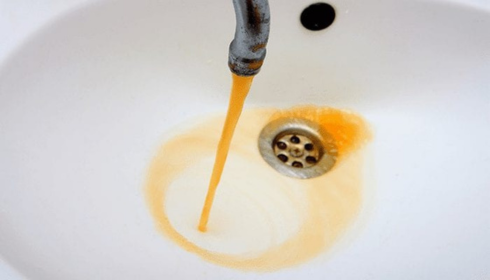
Most people don’t spend much time thinking about the water running through their homes. You turn on the tap, fill a glass, rinse vegetables, start the dishwasher — all almost automatically. Water becomes part of the background rhythm of daily life.
Until something makes you stop and question it.
Sometimes it’s a strange metallic taste. Other times it’s an article online about aging plumbing systems or contamination concerns in nearby neighborhoods. Even hearing a friend mention issues with their own tap water can suddenly make people look at their kitchen sink a little differently.
I remember talking with a homeowner who bought a charming older house mainly because of its character — original wood floors, vintage details, huge windows. A few months after moving in, they learned the home still contained older plumbing materials that raised concerns about lead exposure in the water supply.
The unsettling part wasn’t visible damage or bad-tasting water. Everything looked perfectly normal.
Related reading Why Knowing What’s in Your Water Can Make a Bigger Difference Than You Expect
That’s what makes water concerns feel so personal sometimes. The issues people worry about most are often the ones they can’t actually see.
Old Plumbing Can Create Modern Concerns
Many older homes were built long before modern water safety standards existed. Pipes, solder, and fixtures that were once considered completely acceptable are now viewed very differently.
In certain cases, aging plumbing systems can contribute to lead in water, particularly when corrosion begins affecting older pipes or fixtures over time. And unlike some household water issues, lead contamination often doesn’t create obvious warning signs.
No strange smell. No cloudy appearance. No dramatic taste difference.
That uncertainty is what makes homeowners uneasy more than anything else.
One family I spoke with described spending weeks researching water quality after discovering nearby homes had outdated plumbing systems. They admitted the emotional stress surprised them more than the technical side of fixing the issue.
Related reading Why the Right Water Treatment Equipment Makes a Bigger Difference Than Most People Expect
Because once doubt enters your mind about something as basic as household water, it quietly changes daily routines.
Water Problems Rarely Start Dramatically
One reason homeowners often ignore water concerns initially is because most water problems develop slowly.
Mineral buildup appears around faucets little by little. Water pressure drops gradually. Appliances become less efficient over time rather than overnight. Strange tastes or odors come and go depending on seasonal conditions.
People adapt.
That adaptation can make it difficult to recognize when something deserves closer attention. What begins as a minor inconvenience eventually starts feeling normal simply because it’s familiar.
Related reading Water Safety at Home: What Most People Don’t Notice Until It’s Too Late
A homeowner once joked that they spent years “fighting their shower door every weekend” without realizing hard minerals in the water were causing constant buildup. They assumed everyone dealt with the same issue.
Turns out, they didn’t.
The Emotional Side of Water Quality
There’s something uniquely unsettling about not fully trusting your water. It’s different from other household maintenance concerns because water touches nearly every part of daily life.
You drink it. Cook with it. Bathe in it. Your children use it constantly without thinking twice.
Related reading Why Good Water Feels Like a Small Daily Upgrade
When homeowners become uncertain about water quality, habits start changing quietly. People buy bottled water in bulk. They hesitate before filling a glass from the tap. Even cooking can feel slightly uncomfortable in the back of their mind.
That emotional layer matters more than people sometimes admit.
One homeowner described finally installing a filtration system after months of concern and said the biggest improvement wasn’t even the taste of the water. It was simply “feeling relaxed again every time someone turned on the sink.”
Honestly, that makes perfect sense.
Why Testing Matters More Than Guessing
The internet can be both helpful and overwhelming when it comes to water concerns. Search for strange-tasting water online and suddenly every possible explanation sounds terrifying.
Related reading A Better Glass of Water Starts With the Right Filtration System
Reality is usually more nuanced than that.
The smartest first step for homeowners worried about water quality is proper testing. A professional water analysis can identify contaminants, mineral content, corrosion issues, bacteria, and other conditions affecting household water.
Without testing, people are often left relying on assumptions, internet forums, or visual clues that don’t tell the full story.
And many serious water concerns can’t be detected by appearance alone.
That’s important because homeowners sometimes wait for dramatic symptoms before taking action, even though many water quality issues remain invisible for long periods.
Small Improvements Change Daily Life More Than Expected
When homeowners finally improve their water systems, the benefits usually appear quietly through ordinary routines.
Coffee tastes cleaner. Ice cubes stop carrying odd odors. Laundry feels softer. Dishes come out clearer. Showers become more comfortable.
These changes rarely feel dramatic in isolation. But together, they create a home environment that simply feels healthier and easier to live in day after day.
A friend once compared good water to good air conditioning — you barely notice it when it works properly, but life feels significantly worse when it doesn’t.
That comparison honestly feels pretty accurate.
Paying Attention to Water Is Becoming Normal
For years, many people treated water quality concerns as something distant or unlikely to affect their homes directly. But awareness has shifted.
Homeowners are paying closer attention now to plumbing materials, local water reports, filtration options, and testing recommendations. Not because everyone suddenly became paranoid, but because people are realizing how deeply water affects comfort, health, and everyday routines.
And once you start paying attention, it becomes difficult to ignore how much trust we place in something flowing through our homes every single day.
Better water doesn’t necessarily transform life overnight. More often, it simply removes small worries that quietly lingered in the background for far too long.