Why Water Problems at Home Often Go Unnoticed for Too Long
Most people don’t wake up one morning suddenly obsessed with water quality. It usually starts with something small. Maybe the dishes never quite look clean anymore. Maybe your shower leaves your skin feeling dry no matter what soap you buy. Or perhaps there’s that faint metallic taste in your coffee that seems impossible to ignore once you notice it.
The strange part is how easy these things are to normalize.
Homeowners tend to adapt slowly to water issues because the changes happen gradually. A little mineral buildup here, a slightly lower water pressure there, cloudy glasses from the dishwasher — individually, none of it feels urgent. But over time, those small frustrations start stacking together.
Eventually, people begin realizing the water itself may be the common thread behind all of it.
Related reading The Plumbing Problems You Shouldn’t Ignore at Home
Water Quality Affects More Than Drinking
One thing many homeowners don’t realize at first is how deeply water touches everyday life. It’s not just about what comes out of the kitchen faucet.
Water affects laundry, showers, appliances, plumbing systems, coffee makers, dishwashers, and even how long fixtures last inside the home. When water quality declines, the impact quietly spreads everywhere.
I remember talking to someone who spent years replacing showerheads every few months because they kept clogging. She assumed the products were cheap. Turns out, the issue was mineral-heavy water slowly coating everything inside the plumbing system.
Related reading Why the Right Water Treatment Equipment Makes a Bigger Difference Than Most People Expect
That’s the tricky thing about home water issues. The symptoms often appear disconnected until you finally step back and see the bigger picture.
Hard Water Is More Common Than People Think
Across many regions, hard water is one of the most common household problems homeowners deal with. Water naturally collects minerals like calcium and magnesium while moving through underground rock formations, and those minerals eventually enter residential plumbing systems.
In small amounts, it’s not necessarily dangerous. But over time, it can become frustrating.
Soap doesn’t lather properly. Appliances work harder than they should. Water heaters collect scale buildup. Towels feel stiff after washing. Faucets develop stubborn white residue that seems to reappear immediately after cleaning.
Related reading Water Safety at Home: What Most People Don’t Notice Until It’s Too Late
And honestly, people often spend money trying to fix the symptoms instead of addressing the actual source.
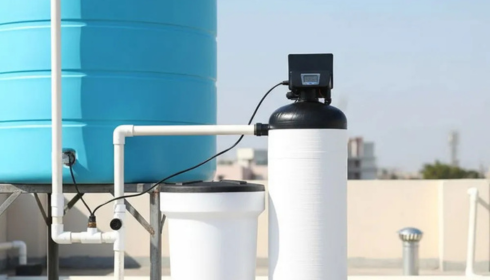
That’s one reason water softening systems have become increasingly popular in residential homes. Once people experience softer water consistently, they usually notice the difference very quickly.
Not All Water Problems Look the Same
The interesting thing about residential water is that every property has its own personality. One house may struggle with mineral buildup while another deals with chlorine taste, sulfur smells, sediment, or iron staining.
Related reading Why Good Water Feels Like a Small Daily Upgrade
That’s why generic solutions don’t always work well.
Good problem water solutions are typically based on understanding the specific condition of the water first. Proper testing helps identify what’s actually causing the issue before homeowners spend money on unnecessary equipment.
And honestly, that step matters more than flashy technology or oversized systems.
A simple, properly matched setup often performs far better than expensive equipment installed without understanding the underlying problem. Sometimes homeowners only need sediment filtration. Other times, a combination of filtration and softening makes more sense.
Water treatment isn’t really one-size-fits-all.
Modern Water Systems Are Easier Than Ever
There’s also a misconception that water treatment systems are bulky, complicated, or difficult to maintain. That may have been true years ago, but modern systems have become much more homeowner-friendly.
Today’s water treatment systems are quieter, more efficient, and designed around convenience. Many include easier filter replacements, digital monitoring, and simplified maintenance schedules.
And perhaps more importantly, they’re often customized around the home’s actual water conditions instead of forcing the same setup into every situation.
Related reading A Better Glass of Water Starts With the Right Filtration System
That flexibility has made water treatment more accessible for regular homeowners instead of feeling like something reserved for large properties or industrial buildings.
Better Water Quietly Improves Daily Comfort
What surprises many people after improving their water quality is how much better everyday routines suddenly feel.
Showers become softer on skin and hair. Coffee tastes cleaner. Dishes come out clearer. Appliances seem to run more smoothly. Even laundry feels different.
These changes aren’t dramatic in a flashy sense. Nobody walks into your house and immediately compliments your water softener. Yet the comfort becomes noticeable in dozens of small daily moments.
And honestly, that’s usually the sign of a truly useful home upgrade — something quietly improving quality of life without constantly demanding attention.
Prevention Is Often Cheaper Than Repairs
One thing homeowners eventually learn is that untreated water problems rarely stay small forever.
Mineral buildup inside water heaters reduces efficiency over time. Plumbing pipes slowly narrow. Dishwashers and washing machines experience extra strain. Fixtures wear down faster. The damage tends to happen gradually enough that people don’t notice until expensive repairs appear.
That’s why many families now view water treatment as preventative maintenance rather than luxury spending.
It’s similar to servicing an HVAC system or maintaining a vehicle. A little attention early often prevents much larger costs later.
Better Water Changes the Feel of a Home
At the end of the day, water quality isn’t really about technology alone. It’s about comfort.
It’s about showers that feel refreshing instead of irritating. Glasses of water you actually enjoy drinking. Appliances that last longer. Less scrubbing around faucets. Fewer small frustrations piling up week after week.
And maybe that’s why more homeowners are finally paying attention now. Water touches nearly every routine inside a home, even though most of us rarely stop to think about it.
Until the quality improves, and suddenly you realize just how much better everyday life can feel when the water itself is finally working with you instead of against you.