Why Thoughtful Home Updates Often Matter More Than Major Makeovers
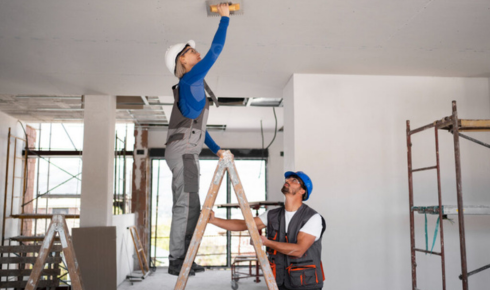
There’s a moment that happens in almost every house eventually. You walk into a room you’ve seen thousands of times before, and suddenly it feels… tired. Not broken exactly. Just worn down in small ways that quietly add up over the years.
Maybe the lighting feels too dim now. Maybe the kitchen no longer fits the way your family actually lives. Maybe storage has become a daily battle nobody talks about anymore. It’s rarely one dramatic issue. More often, it’s a collection of little frustrations sitting quietly in the background until they become impossible to ignore.
That’s usually where home renovations begin. Not from chasing perfection, but from wanting a home to feel comfortable and functional again.
And honestly, that motivation feels far more meaningful than simply following design trends.
Related reading Why Good Water Feels Like a Small Daily Upgrade
Homes Change as Life Changes
One thing people don’t always expect is how quickly a home can stop matching their lifestyle.
A spare bedroom becomes a work-from-home office. A once-perfect kitchen suddenly feels cramped with teenagers constantly opening the fridge. Bathrooms that worked fine years ago become frustrating during rushed mornings.
Homes don’t stay static because life doesn’t stay static.
That’s probably why more homeowners today are approaching renovations differently than they used to. Instead of designing spaces around what looks impressive online, people are focusing more on what actually supports their daily routines.
Related reading The Plumbing Problems You Shouldn’t Ignore at Home
And honestly, that shift feels refreshing.
Small Improvements Often Create the Biggest Relief
People tend to imagine renovation projects as giant expensive overhauls involving demolition and months of chaos. Sometimes that happens, sure. But surprisingly often, smaller updates create the most noticeable improvements in daily life.
Better lighting changes the mood of an entire room. Smarter storage reduces stress almost immediately. Replacing worn flooring or updating outdated paint colors can make a home feel cleaner and calmer without touching the structure at all.
Even reorganizing layouts slightly can improve how people move through a space every day.
A friend of mine recently renovated her kitchen, but the biggest improvement wasn’t the new cabinets or countertops. It was adding enough storage so the counters finally stayed uncluttered for the first time in years. Funny how practical solutions sometimes feel more luxurious than expensive finishes.
Related reading Home Renovations In Adelaide: Enhance Your Property With Professional Home Extension Builders Adelaide
Renovations Are Becoming More Personal
There’s definitely been a noticeable shift in what homeowners value lately.
For a while, renovation culture revolved around creating spaces that photographed well. Open shelving everywhere. Ultra-minimal designs. Trendy finishes that looked beautiful online but often felt impractical in real life.
Now people seem more interested in comfort and longevity.
That’s part of why professional remodeling services are becoming more customized than before. Contractors and designers are spending more time understanding how homeowners actually live inside their spaces instead of simply applying generic trends to every project.
Families with children need durability. Older homeowners may prioritize accessibility. Remote workers want calmer environments that support concentration. Different lifestyles require different solutions.
And honestly, homes feel better when they reflect real life instead of trying to imitate a showroom.
Related reading Water Safety at Home: What Most People Don’t Notice Until It’s Too Late
Comfort Is Quietly Becoming the Priority
One thing that stands out in modern renovations is how often homeowners mention wanting their space to feel “easier.”
Not necessarily fancier. Easier.
Easier to clean. Easier to organize. Easier to relax in after a long day. Easier for guests to gather comfortably. Easier for busy mornings and chaotic schedules.
That kind of comfort rarely comes from dramatic design decisions alone. It usually comes from thoughtful details:
Better lighting placement.
Improved layouts.
More practical storage.
Durable materials that reduce maintenance stress.
Related reading Understanding Reverse Osmosis and Whole-Home Water Treatment for Everyday Living
These aren’t flashy upgrades, but they improve daily life in surprisingly meaningful ways.
Good Renovations Solve Problems You’ve Learned to Ignore
What’s interesting about living in the same home for years is how people slowly adapt to inconvenience without fully realizing it.
You stop noticing the awkward cabinet that never opens properly. You learn to work around limited counter space. You memorize which floorboard creaks and where lighting feels dim.
Until those issues finally get fixed.
Then suddenly you wonder why you waited so long.
That’s the real value of thoughtful home improvement projects. They remove small sources of friction that quietly affect daily routines over time. And while each individual issue may seem minor, together they shape how stressful or comfortable a home feels overall.
Quality Work Always Matters More Than Trends
Trends come and go pretty quickly in home design. What feels modern today may feel outdated surprisingly fast.
Good craftsmanship, though, tends to age well.
Reliable contractors, durable materials, careful installation, and attention to detail create spaces that continue functioning beautifully long after temporary trends lose popularity. Homeowners are becoming more aware of that now, especially after seeing how costly rushed renovations can become later.
Poor workmanship eventually reveals itself. Cabinets loosen. Paint cracks. Flooring shifts. Cheap materials wear down faster than expected.
That’s why quality matters so much more than flashy upgrades.
And honestly, people remember renovation experiences emotionally too. Communication, reliability, and respect during the process often shape satisfaction just as much as the final design itself.
Homes Should Support Real Life
At the end of the day, most people aren’t trying to create magazine-perfect homes. They simply want spaces that feel calm, functional, and comfortable to return to every evening.
That’s what successful renovations really accomplish.
Not perfection. Not endless luxury. Just improvement in the areas that quietly influence daily life the most.
Better storage. Cleaner layouts. More natural light. Rooms that feel easier to move through and easier to live in.
And maybe that’s why thoughtful home updates continue to matter so much. They’re not really about showing off. They’re about shaping spaces that support real people through ordinary life — and honestly, there’s something pretty meaningful about that.