The Water You Trust: Looking Beyond What You Can See
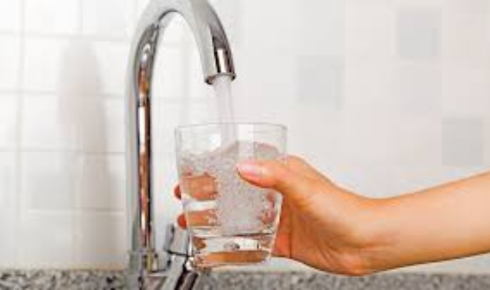
There’s a quiet assumption most of us carry—that if water looks clear, it must be fine. You fill a glass, hold it up to the light, and if nothing seems off, you don’t think twice.
And honestly, that makes sense. Water isn’t supposed to be complicated.
But every now and then, a conversation, a headline, or just a random thought nudges you to look a little deeper. Not out of fear, but curiosity. What’s actually in the water we use every day?
It’s a simple question. The answer, as it turns out, is a little more layered.
What We Mean by “Invisible”
When people talk about water contaminants, it can sound alarming. But the reality is more nuanced than that.
Contaminants aren’t always dangerous in the way we imagine. Many are present in trace amounts, often within regulated safety limits. Some come from natural sources—minerals, organic matter—while others are byproducts of treatment processes designed to keep water safe.
Related reading Water Safety at Home: What Most People Don’t Notice Until It’s Too Late
The key thing to understand is this: just because you can’t see something doesn’t mean it isn’t there. And just because it’s there doesn’t automatically make it harmful.
Still, awareness matters.
The Compounds You Don’t Hear About Often
Some names come up more frequently than others when discussing water quality. Terms that feel technical at first, but start to make sense once you break them down.
Take trihalomethanes, for example. These compounds can form when chlorine—commonly used to disinfect water—reacts with organic matter. It’s a side effect of a process that’s meant to protect public health.
In most cases, levels are monitored and controlled. But their presence is a reminder that water treatment is a balance. It’s about making water safe while managing the byproducts that come along with that process.
Related reading Why the Right Water Treatment Equipment Makes a Bigger Difference Than Most People Expect
It’s not perfect. But it’s constantly evolving.
When Modern Concerns Enter the Conversation
In recent years, another group of substances has started to draw attention—pfas pfoa. Often referred to as “forever chemicals,” these compounds are known for their persistence in the environment.
They’re not something you’ll notice in your glass of water. No taste, no smell. But their long-term presence has raised questions about how water is managed and what it carries over time.
Again, this isn’t about immediate danger. It’s about awareness. About understanding that water, like everything else, is influenced by the world around it.
Why This Matters in Everyday Life
It’s easy to assume that these topics only matter in extreme cases. But in reality, they connect to everyday experiences in subtle ways.
Related reading A Better Glass of Water Starts With the Right Filtration System
You might notice a difference in taste. Or how your water interacts with your cooking. Or even just how comfortable you feel using it without thinking twice.
These aren’t dramatic changes. They don’t demand urgent action. But they shape your relationship with something you rely on every single day.
And that relationship matters more than we often realize.
Finding a Balance Between Awareness and Action
Here’s where things can get tricky. Once you start learning about what’s in your water, it’s easy to feel like you need to fix everything at once.
Related reading Why Knowing What’s in Your Water Can Make a Bigger Difference Than You Expect
But that’s not always necessary.
The goal isn’t to eliminate every possible trace of anything. It’s to understand what’s relevant to your situation and decide what, if anything, you want to improve.
For some people, that might mean using a basic filter to improve taste. For others, it could involve more advanced systems designed to address specific concerns.
There’s no single right answer. Just different approaches based on individual needs.
The Subtle Shift Toward Better Water
One of the most interesting things about improving water quality is how quietly it changes your day.
Related reading The Air in Your Home Has More Influence Than You Think
You might notice your water tastes cleaner. Your coffee feels richer. You drink more without thinking about it.
And then, over time, you stop noticing it altogether.
That’s usually the goal—not to make water perfect, but to make it something you don’t have to question.
Why We Don’t Think About It More Often
If water is so important, why do we rarely think about it?
Because it works.
Most of the time, water does exactly what we expect it to do. It’s reliable, accessible, and easy to trust. And when something works, we don’t tend to question it.
Until we do.
And when that moment comes, it doesn’t have to lead to concern. It can simply lead to understanding.
A More Grounded Perspective
You don’t need to become an expert in water chemistry to make better choices. You don’t need to analyze every detail or chase every headline.
But paying a little more attention—just a little—can help you make decisions that feel right for your home and your routine.
Start with what you notice. Taste, smell, comfort. Then build from there.
Ending With a Thought
Water is one of those things we trust without much thought. It’s part of the background, part of the everyday.
But every now and then, it’s worth bringing it into focus.
Not because something is wrong—but because understanding what’s there can help you feel more confident in something you use every single day.
And sometimes, that confidence is all you really need.