The Material Behind the Look: Understanding What Makes a Vehicle Wrap Work
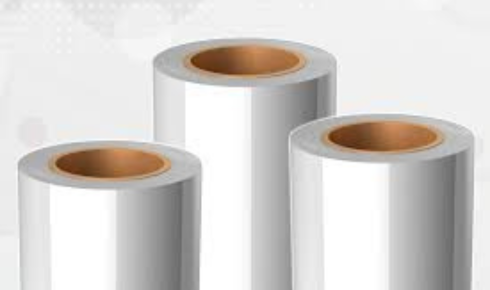
There’s a moment when you walk past a wrapped vehicle and instinctively slow down. Not because it’s flashy, but because something about it feels… finished. Clean lines, smooth surface, colors that don’t look tired or overworked.
It’s easy to assume that’s all design. But honestly, a lot of that feeling comes from the material itself — the part nobody really talks about until something goes wrong.
Not All Vinyl Starts the Same Way
If you dig even a little into how wraps are made, you’ll quickly realize there’s more than one kind of vinyl out there. And those differences aren’t just technical — they show up in how the wrap looks and lasts.
Related reading Understanding Nitrates and Bacteria in Your Water: Why Testing Comes First
Take cast vinyl, for example. It’s made in a way that keeps it thin, flexible, and incredibly stable over time. That flexibility matters when you’re dealing with curves, edges, and all those little details that make vehicles tricky surfaces.
It sort of melts into the shape rather than fighting it. And that’s why you often see it used for more complex wraps or long-term applications. It just behaves better, especially when the road — and weather — start testing it.
The Other Side of the Equation
Then there’s calendared vinyl, which is produced differently and tends to be thicker and a bit more rigid. That’s not necessarily a bad thing — it just serves a different purpose.
For flatter surfaces or shorter-term projects, it can be a practical choice. It’s often more budget-friendly, easier to produce in large quantities, and works well when extreme flexibility isn’t required.
But here’s where expectations matter. Calendared vinyl might not conform as easily to tight curves, and over time, it can shrink slightly. So while it looks great initially, its long-term behavior is something to consider.
Related reading Why the Right Water Treatment Equipment Makes a Bigger Difference Than Most People Expect
It’s not about one being “better” than the other. It’s about choosing what fits the job.
The Feel of a Finish
Beyond the type of vinyl, there’s another layer that shapes how a wrap is experienced — the finish.
We’ve all seen glossy wraps that reflect light almost like a mirror. Then there are matte finishes that absorb light, giving off a softer, more understated vibe. Satin sits somewhere in between, balancing shine and subtlety.
Related reading Exploring the old quarters of Pondicherry on foot: What should you look out for?
These vinyl finishes do more than change appearance. They influence how the wrap interacts with its surroundings — how it looks under sunlight, how it photographs, even how it feels when you’re standing next to it.
And interestingly, the choice of finish can say a lot about the intent behind the wrap. Gloss tends to feel bold and polished. Matte feels modern, sometimes even a bit mysterious. Satin? Somewhere comfortably in the middle.
Why Installation Depends on Material
Material choice doesn’t just affect the final look — it changes how the wrap is applied.
Flexible vinyls, like cast varieties, are generally easier to work with when it comes to complex shapes. They allow installers to stretch and reposition without immediately compromising the material.
Related reading How NoBroker Packers and Movers Made My Faridabad Relocation Stress-Free
More rigid options, on the other hand, require a different approach. Less stretching, more precision. It’s not harder, necessarily — just different.
That’s why experienced installers often match their technique to the material. It’s not a one-size-fits-all process, even if it might look that way from the outside.
Durability in the Real World
Vehicles don’t live in perfect conditions. They’re out in the sun, exposed to dust, rain, temperature changes — all the things that slowly wear materials down.
Related reading A Better Glass of Water Starts With the Right Filtration System
This is where the differences between vinyl types start to show up more clearly.
Cast vinyl tends to hold its shape and color longer, especially under harsh conditions. Calendared vinyl, while still durable, may show signs of wear a bit sooner, depending on how it’s used.
Again, it’s not about labeling one as good and the other as bad. It’s about understanding what each one offers — and where it makes sense to use it.
Cost vs. Longevity — The Trade-Off
It’s tempting to focus on upfront cost when choosing materials. And that’s completely fair — budgets are real.
But wraps aren’t just a one-day decision. They’re something that stays on a vehicle for months, sometimes years. So the conversation naturally shifts from cost to value.
A less expensive material might save money initially, but if it needs to be replaced sooner, the overall investment can end up higher. On the flip side, a higher-quality option might cost more upfront but deliver a longer lifespan and better performance.
It’s one of those decisions where thinking long-term usually pays off.
A Final Thought
When you look at a great vehicle wrap, you’re seeing the result of multiple layers coming together — design, material, installation, and time.
The material might not be the most visible part of that equation, but it’s one of the most important. It shapes how the wrap behaves, how it ages, how it holds up against everything the road throws at it.
And maybe that’s what makes it so interesting. The best wraps don’t just look good in the moment. They’re built to stay that way — quietly, consistently, without needing to prove it.