Exploring the old quarters of Pondicherry on foot: What should you look out for?
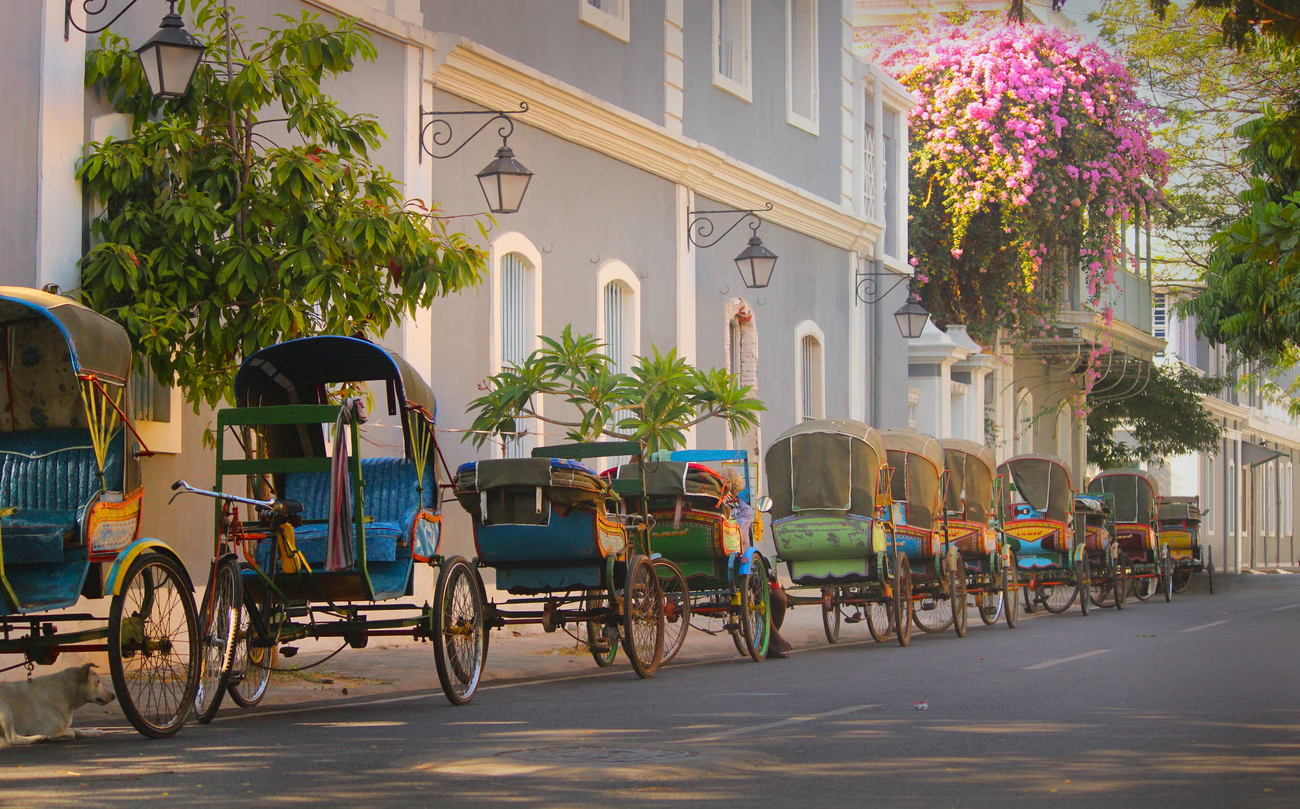
I didn’t realise how much of Pondicherry I could miss by simply travelling between its popular attractions. I had seen pictures of colourful buildings, seaside promenades, and scenic promenades, so I thought I already had a fair idea of what the town would look like. Walking through its older quarters, however, turned out to be a different experience. There were streets I wanted to explore slowly, doorways that caught my attention and little details I would probably have missed from a car or auto-rickshaw.
What I enjoyed most was that there wasn’t always a particular destination in mind. I could turn into a narrow lane because a building looked interesting, stop to admire an old balcony or spend a few minutes watching the neighbourhood go about its day. If there is one thing worth doing in Pondicherry, it is giving yourself enough time to explore its old quarters without rushing from one landmark to another. Choosing the right hotels in Pondicherry is the first step.
The French Quarter’s pastel buildings in Pondicherry deserve a closer look
The first thing that caught my attention was the French Quarter’s architecture, often called White Town. The buildings here have a distinctive character, with pastel-yellow, white and ochre walls, tall windows, decorative balconies and large wooden doors. Some properties have been carefully restored, while others retain the slightly weathered appearance that makes an old street feel lived-in rather than staged.
Related reading A Practical Framework for Building Authority Through Guest Contributions
I found myself looking beyond the main façades. The ironwork around windows, the shape of the doorways and the shaded verandahs often made an otherwise simple building interesting. Walking along streets such as Rue Dumas and Rue Romain Rolland gave me plenty of opportunities to notice these details.
The Tamil Quarter in Pondicherry tells a different story
The Tamil Quarter offers a distinctly different architectural experience when one moves away from White Town. Here, Pondicherry’s cultural past is reflected in the traditional Tamil homes, carved wooden doorways, interior courtyards, and vibrant façades. It is worthwhile to explore these neighbourhoods because the streets feel distinct from the French Quarter.
The traditional thinnai, an elevated seating area next to the entryway of certain older Tamil homes, caught my attention in particular. While the state and accessibility of particular buildings vary, several heritage properties have maintained their original features. Instead of expecting every home to be a formal tourist destination, I would focus on the doorframes, tiled roofs, and shaded entrances while strolling around this area.
Related reading Small Dog Training: Building Better Behavior and Confidence
Look out for heritage churches and historic buildings of Pondicherry
Several historical and religious sites in Pondicherry’s older neighbourhoods are worth seeing. The Church of Our Lady of Angels is one of them because of its unique façade and location close to the coast. Another famous site is the Basilica of the Sacred Heart of Jesus, known for its stained-glass accents and Gothic-inspired construction.
Seeing these locations on foot gave me the chance to see how they blended in with the community. An historic institutional structure might be next to regular stores and residences, while a church might be at the end of a street. The historic quarters feel more like the town’s residential areas than outdoor museums. Before scheduling an internal visit, visitors should confirm the opening hours because access may vary depending on services or other activities.
Pondicherry Cafés, bakeries and small shops make good stopping points
A few stops make a long stroll through Pondicherry’s historic areas more enjoyable. Visitors can stop into the French Quarter’s cafés, bakeries, and small shops for coffee, freshly baked goods, or a quick dinner. Even a quick break can contribute to the architectural experience, as some businesses are housed in restored heritage structures.
Related reading Choosing Between Whole-House Filtration, Reverse Osmosis, and Water Softeners
I wouldn’t schedule every meal stop. Instead, if the location is open and has something appealing, you might enjoy what grabs your eye along the route. Visitors have an additional reason to venture outside of the more photographed areas by exploring the Tamil Quarter, which offers a distinctive blend of neighbourhood stores and common eateries.
Final thoughts
I explored Pondicherry by walking around the town rather than only seeing its well-known sites. I chose one of the hotels in Pondicherry that allowed me to reach other parts of the region on foot or by other modes of transport. White Town’s pastel façades, the Tamil Quarter’s traditional homes, the serene residential streets, and the old churches all had something unique. When I stopped viewing a street as just a way to get to the next thing, even an ordinary street became exciting. If I were to revisit the ancient areas, I would leave space for unforeseen detours, quick café stops, and a closer look at the structures as I went.