Charging Ahead or Swapping Fast? Rethinking India’s EV Future
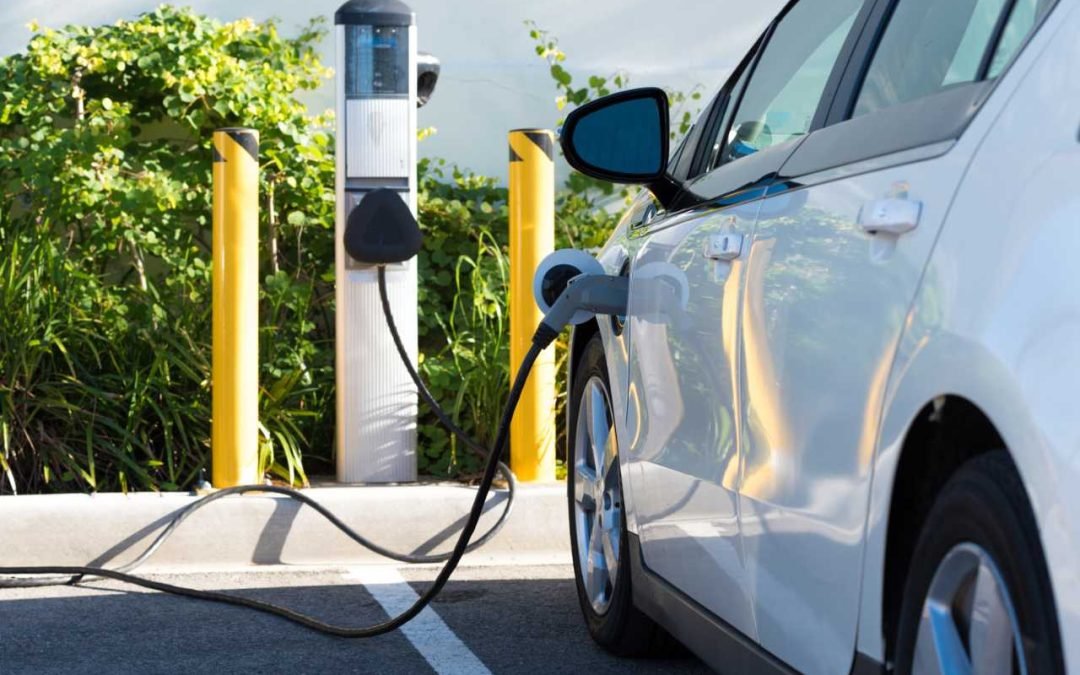
There’s something quietly fascinating happening on Indian roads right now. It’s not loud like a diesel engine or flashy like a sports car—it’s subtle, almost polite. Electric vehicles are gliding through traffic, and with them comes a bigger question that nobody seems to fully agree on yet: how should we power them?
If you’ve spent even a little time reading about EVs lately, you’ve probably come across the debate—charging stations versus battery swapping. Sounds technical at first, but once you scratch the surface, it’s actually a very human problem. Convenience, cost, time… all the things we care about in everyday life.
The Charging Station Comfort Zone
Let’s start with what most people already understand—charging stations. Plug in your vehicle, wait for a while, and you’re good to go. Simple, right?
Related reading Why the Right Water Treatment Equipment Makes a Bigger Difference Than Most People Expect
Well, mostly.
Charging infrastructure in India is growing steadily. Cities like Delhi, Bengaluru, and Mumbai are seeing more public chargers pop up in malls, offices, even petrol pumps. For personal car owners, especially those who can install a charger at home, this model feels familiar. You come back after a long day, plug in your EV, and by morning, it’s ready.
But here’s the catch—time. Even fast chargers aren’t exactly instant. You’re still looking at anywhere between 30 minutes to a few hours depending on the battery size and charger type. For someone used to a 5-minute petrol refill, that’s… an adjustment.
And then there’s range anxiety. That lingering thought in the back of your mind—“What if I run out of charge before the next station?” It’s not irrational. India’s charging network, while improving, isn’t evenly spread yet.
Related reading Understanding Nitrates and Bacteria in Your Water: Why Testing Comes First
Battery Swapping: The Quick-Fix Appeal
Now enter battery swapping. A concept that feels almost futuristic but is surprisingly practical. Instead of waiting for your battery to charge, you just swap it out for a fully charged one. Done in minutes.
For commercial vehicles—think delivery bikes, auto-rickshaws—this model makes a lot of sense. Time is money in those sectors, and waiting around isn’t an option.
Imagine a delivery rider in a busy city. With swapping, they don’t have to plan their day around charging breaks. They just roll into a swapping station, exchange the battery, and get back on the road. No downtime, no stress.
Related reading Water Safety at Home: What Most People Don’t Notice Until It’s Too Late
That’s why many startups in India are betting big on this model, especially for two- and three-wheelers.
Still, it’s not perfect. Standardization is a big challenge. Different manufacturers use different battery designs, and unless there’s a common system, swapping becomes messy. Plus, setting up swapping infrastructure at scale isn’t cheap either.
The Real Question: What Works for India?
Here’s where things get interesting. Because India isn’t one-size-fits-all.
Urban vs rural, personal vs commercial use, affordability vs convenience—there are layers to this decision. And that’s exactly why the debate around EV Battery Swapping vs Charging Stations: India ke liye kya better hai? keeps coming up again and again.
Related reading A Better Glass of Water Starts With the Right Filtration System
For city commuters with predictable routines, charging stations—especially home charging—feel practical. You don’t need to rely heavily on public infrastructure, and over time, it’s cost-effective.
But for high-usage vehicles? Swapping might actually be the smarter route. It reduces downtime, increases efficiency, and aligns better with how these vehicles operate daily.
Infrastructure: The Elephant in the Room
Let’s be honest—none of this works without infrastructure.
Charging stations need land, electricity upgrades, and long-term planning. Battery swapping needs standardized systems, logistics, and strong backend support.
Related reading Understanding Reverse Osmosis and Whole-Home Water Treatment for Everyday Living
India is still figuring this out. Policies are evolving, private players are experimenting, and government support is slowly picking up pace. It’s not chaotic, but it’s definitely… in progress.
And maybe that’s okay.
Because sometimes, rushing into one solution too quickly can create bigger problems later. A mixed approach—where both charging and swapping coexist—might actually be the most realistic path forward.
Cost, Ownership, and the Human Angle
Here’s something people don’t talk about enough—the emotional side of ownership.
When you buy a vehicle, you want control. Charging your own battery feels like ownership. Swapping, on the other hand, feels a bit like renting energy. Not everyone is comfortable with that idea.
Then there’s cost. Swapping can reduce upfront EV prices since you don’t own the battery, but you pay per swap. Charging might cost less in the long run, especially with home setups.
So it really depends on how you look at it. Do you prefer paying less upfront or saving over time?
A Future That Might Not Choose Just One
The more you think about it, the clearer it becomes—this isn’t a battle where one side wins and the other disappears.
India’s EV ecosystem is likely to evolve in layers. Charging stations will continue to grow for private vehicles, while battery swapping could dominate commercial segments.
And honestly, that balance feels right.
Some mornings, you’ll plug in your car at home and not think twice. Other days, a delivery rider will swap a battery in two minutes and move on. Both systems, doing their job in their own way.
Final Thoughts
Maybe the real answer isn’t about choosing between charging and swapping. Maybe it’s about understanding where each fits best.
India doesn’t need a single solution—it needs flexible ones.
And if things keep moving the way they are, we might just end up with an EV ecosystem that feels less like a compromise and more like… something that actually works.