Ali Ata Examines the Rise of Adaptive Retail Hubs in Modern Commercial Development
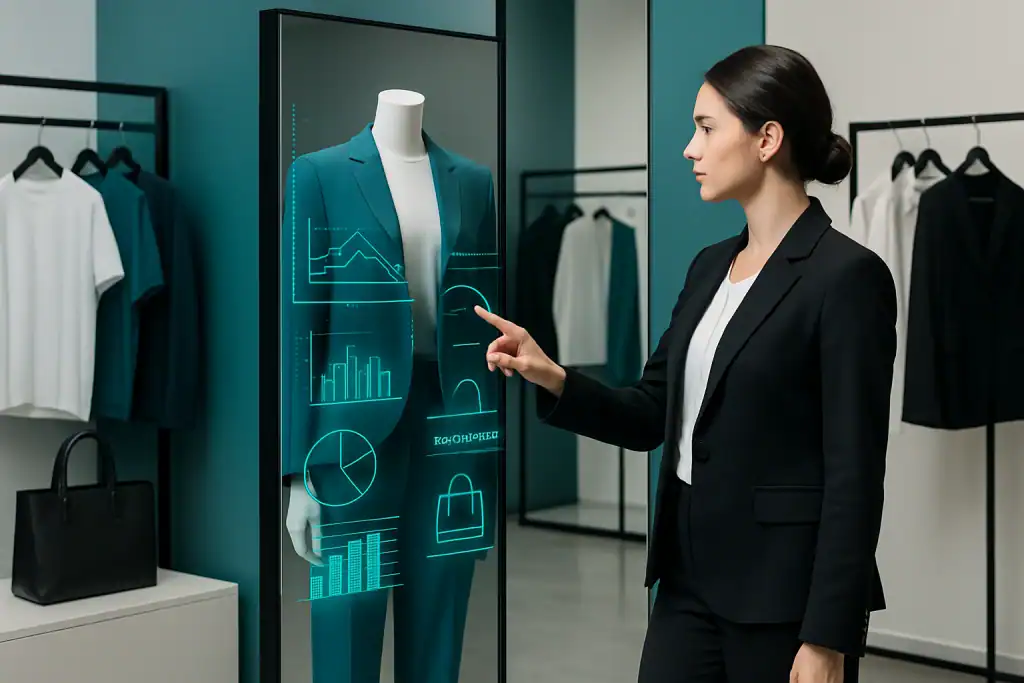
Flexible commercial spaces are transforming the way businesses approach retail and customer engagement. As per Ali Ata, one important niche within this field is the use of adaptive retail hubs. These spaces allow businesses to operate without committing to permanent premises. They combine temporary leasing, modular design, and shared facilities. As a result, businesses can respond more easily to changing markets.
Adaptive retail hubs are particularly useful for emerging brands. They provide access to commercial locations without requiring long-term leases. This reduces the financial pressure associated with traditional retail spaces. At the same time, businesses can test products and study customer responses. Therefore, flexible spaces can support both experimentation and controlled expansion.
These spaces are designed to serve different commercial purposes. A single location can function as a showroom, pop-up store, event venue, or product testing centre. The space can also change according to demand. This adaptability makes it valuable for businesses that operate in competitive markets.
Several features make adaptive retail hubs commercially effective:
- Short-term occupancy: Businesses can rent spaces for shorter periods. This allows them to enter high-demand locations without accepting lengthy leases. It also helps brands test new markets before making permanent investments.
- Modular interiors: Interior layouts can be changed according to business requirements. Walls, displays, furniture, and service areas can be rearranged. Therefore, the same space can support different commercial activities over time.
- Shared infrastructure: Many flexible spaces provide common facilities. These can include reception areas, storage, internet services, meeting rooms, and utilities. Consequently, businesses can reduce the cost of establishing their own infrastructure.
- Market testing: Flexible retail spaces allow brands to test products in real commercial environments. Customer behaviour can then be observed directly. This information can guide pricing, product development, and future expansion.
- Location flexibility: Businesses can operate in different areas without establishing permanent branches. They can move closer to target customers during specific periods. This approach can improve visibility while reducing location-related risks.
The concept is also relevant to seasonal businesses. Certain products experience higher demand during festivals, holidays, or special events. Permanent retail spaces may remain underused during other periods. Flexible commercial spaces provide a practical alternative. Businesses can occupy suitable locations only when demand is high.
Furthermore, according to Ali Ata, adaptive retail hubs can support smaller enterprises. Independent brands often face difficulties when competing for premium commercial locations. High rents and long contracts can restrict their growth. Flexible arrangements reduce these barriers. They can therefore provide smaller businesses with access to established commercial districts.
Technology further strengthens this model. Digital booking systems can simplify the process of selecting and reserving spaces. Smart building systems can also control lighting, security, and energy use. In addition, digital payment systems can support faster commercial operations. These technologies make flexible spaces more efficient and easier to manage.
However, successful implementation requires careful planning. Operators must maintain consistent infrastructure and safety standards. They must also ensure that spaces can be modified without causing structural problems. Clear rental agreements are equally important. They should define responsibilities related to maintenance, utilities, security, and modifications.
The future of adaptive retail hubs is closely connected with changing consumer behaviour. Customers increasingly value experiences alongside products. Businesses therefore need spaces that can support demonstrations, events, workshops, and direct interaction. Flexible commercial spaces can provide such environments. They allow businesses to remain responsive while controlling operational commitments.
As commercial activity becomes more dynamic, adaptability is becoming a strategic advantage. Adaptive retail hubs offer businesses the ability to experiment, respond, and expand with greater flexibility. According to Ali Ata, they also create opportunities for smaller enterprises and temporary ventures. Thus, this niche demonstrates how commercial spaces can move beyond fixed purposes and become adaptable platforms for changing business needs.