

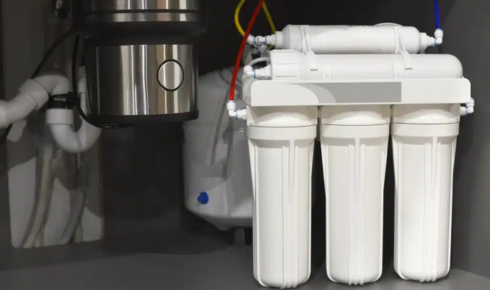



Water Is Everywhere, Yet We Rarely Think About It
It’s funny how something we use dozens of times a day can become almost invisible.
Water flows from our faucets, fills our coffee makers, runs through our washing machines, and helps us unwind in a hot shower after a long day. It’s part of nearly every household routine, yet most people don’t think much about it until something feels off.
Maybe the water has an unusual taste. Perhaps there’s a faint odor when the tap first turns on. Sometimes dishes come out of the dishwasher looking cloudy, or mineral residue starts collecting around fixtures. These small observations often spark a larger question: How good is the water we’re using every day?
The answer isn’t always straightforward. Water quality can vary significantly depending on location, infrastructure, and local treatment processes. That’s why more homeowners are beginning to pay attention to what flows through their pipes and how it affects their daily lives.
The Journey Water Takes Before Reaching Your Home
Many people assume water arrives directly from a treatment plant and remains unchanged until it reaches the kitchen sink. In reality, the journey is often much longer.
After treatment, water travels through miles of pipes, pumping stations, storage facilities, and municipal infrastructure before entering residential plumbing systems. Along the way, various factors can influence its taste, odor, and overall quality.
This doesn’t necessarily mean the water is unsafe. Municipal systems play a critical role in protecting public health. However, some homeowners choose to add another layer of treatment to improve their experience at home.
For many families, the goal isn’t perfection. It’s confidence. They want water that tastes better, smells cleaner, and feels more enjoyable to use throughout the house.
Why Water Quality Affects More Than Drinking
When conversations about water quality come up, most people immediately think about drinking water.
That’s understandable, but water impacts much more than what ends up in a glass.
It affects cooking, bathing, laundry, dishwashing, and even the longevity of appliances. Water touches nearly every room in a home, which means its quality influences countless daily experiences.
A shower that feels refreshing. Laundry that comes out cleaner. Dishes that sparkle after washing. These aren’t dramatic transformations, but they’re noticeable improvements that can make everyday routines a little more pleasant.
Sometimes it’s the small comforts that have the biggest impact over time.
Looking Beyond Point-of-Use Filters
Many homeowners start with a simple faucet filter or pitcher system. These options can certainly improve drinking water quality, but they typically address only one location in the home.
That’s one reason interest in whole home filtration systems continues to grow. Instead of treating water at a single tap, these systems filter water as it enters the property, helping improve water quality throughout the entire household.
This means the water used for showers, laundry, dishwashing, and cleaning receives the same level of treatment.
For families who want a comprehensive approach, whole-home systems often provide a more consistent experience across every room that relies on water.
The Importance of Great-Tasting Water
Let’s be honest. People are more likely to drink water when they enjoy the way it tastes.
When water tastes fresh and clean, staying hydrated feels effortless. When it carries an unpleasant flavor or odor, many people instinctively reach for bottled drinks or alternatives.
Access to clean drinking water isn’t just about convenience. It can influence daily habits in subtle but meaningful ways.
Coffee often tastes smoother. Tea flavors become more distinct. Even simple meals prepared with quality water may seem more enjoyable.
These changes aren’t always dramatic, but they’re the kind of improvements people notice every day.
And because they’re experienced repeatedly, they tend to leave a lasting impression.
Understanding Common Water Concerns
Different homes face different water quality challenges.
Some households deal with hard water and mineral buildup. Others notice sediment, unusual tastes, or chlorine-related odors. The specific issues depend on local water sources and treatment methods.
This is why professional water testing is often recommended before selecting a filtration system. Understanding what’s actually present in the water helps homeowners choose solutions that address real concerns rather than guessing.
The goal isn’t to buy the most expensive equipment available.
It’s to find the right solution for the specific conditions affecting the home.
Why Chlorine Often Becomes a Topic of Discussion
Chlorine plays an important role in municipal water treatment. It helps disinfect water and reduce harmful microorganisms before the water reaches homes.
At the same time, some people are sensitive to its taste or smell.
For homeowners seeking chlorine removal, specialized filtration systems can help reduce these characteristics while improving overall water aesthetics. Many users report fresher-smelling water and a more pleasant drinking experience after addressing chlorine-related concerns.
The appeal isn’t necessarily about eliminating every trace of treatment chemicals. It’s often about improving comfort and confidence in the water being used every day.
Small improvements in taste and odor can make a surprisingly big difference.
The Environmental Side of Better Water
Water quality improvements can also influence household sustainability efforts.
When homeowners feel confident drinking water directly from the tap, many naturally reduce their reliance on bottled water. Over time, that can mean fewer plastic bottles entering recycling bins or landfills.
It’s not a complete solution to environmental challenges, of course. But it’s a practical step that many families appreciate.
Less plastic waste, fewer trips to buy bottled water, and potentially lower long-term expenses create benefits that extend beyond the home itself.
Sometimes convenience and sustainability happen to align.
Making an Informed Decision
There isn’t a universal water treatment solution that works for every household.
What works beautifully in one area may be unnecessary in another. That’s why information matters. Water testing, professional guidance, and a clear understanding of household goals all play important roles in selecting the right system.
Some homeowners prioritize taste. Others focus on reducing specific contaminants or protecting appliances from mineral buildup.
The best decision is always the one based on actual needs rather than assumptions.
Better Water, Better Everyday Living
At first glance, improving water quality may not seem as exciting as renovating a kitchen or upgrading a living room. Water systems are largely hidden from view, quietly doing their job behind the scenes.
Yet few household improvements affect daily life as consistently.
Every shower, every cup of coffee, every load of laundry, and every meal prepared in the kitchen depends on water. When the quality improves, those everyday experiences often improve along with it.
In the end, better water isn’t really about technology, filters, or equipment. It’s about comfort. It’s about confidence. And perhaps most importantly, it’s about making the ordinary moments of daily life feel just a little bit better—one glass, one shower, and one day at a time.