




Water is usually the most “invisible” part of a home. It’s just there—flowing, filling, cleaning, disappearing into routine without much thought. You don’t question it while brushing your teeth or filling a glass at midnight. It’s background life.
Until it starts behaving differently.
A faint orange tint in the sink. A metallic smell when you turn on the tap. Stains that keep reappearing no matter how often you clean them. Nothing loud or dramatic—just small signals that slowly start to bother you.
And once you notice them, it’s hard to ignore again.
The Strange Way Water Starts Showing Its History
Water carries more than just what we see. Depending on where it comes from and how it travels, it picks up minerals, sediments, and sometimes traces of metals along the way. Most of it is harmless in small amounts—but it still leaves a mark.
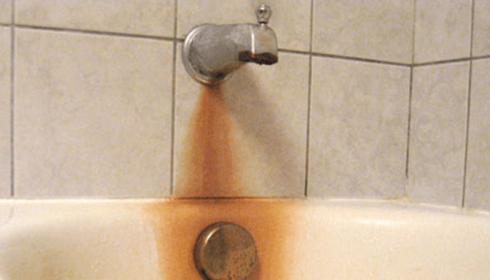
One of the first visible signs people often notice is iron stains. These usually show up as reddish or brownish patches on sinks, tiles, or laundry. At first, you might think it’s just dirt or soap residue. But then it keeps coming back, almost stubbornly.
What’s interesting is how quickly people adapt to it. They start scrubbing more often, using stronger cleaners, assuming it’s just part of normal household maintenance. But the stains don’t care about effort—they just return with time.
And slowly, what started as a small annoyance becomes part of your cleaning routine.
When Water Doesn’t Look Quite Right Anymore
There’s a moment many households experience but don’t always talk about. You turn on the tap, and something feels slightly off. The water might have a faint tint, or maybe a smell that wasn’t there before.
This is often referred to as rust water, and it usually points to corrosion somewhere in the plumbing system or higher iron content in the supply. It doesn’t always mean something is seriously wrong, but it does mean something is changing.
At first, people usually dismiss it. Maybe the pipes are old. Maybe it’s just temporary. And sometimes, it is. But when it keeps happening, it starts to affect how comfortable you feel using water for everyday things like cooking or even washing dishes.
There’s a subtle psychological shift too—you stop trusting the water instinctively. You start checking it more often. You notice it more than you used to.
The Hidden Concern Most People Don’t Think About Immediately
Water issues are rarely sudden. They build slowly, and because of that, they often get overlooked for a long time.
But when you start seeing recurring stains, odd coloration, or changes in taste and smell, it can sometimes be linked to water contamination. That sounds serious—and sometimes it can be—but it doesn’t always mean something extreme. It simply means unwanted substances are present in the water in some form.
What makes this tricky is that contamination isn’t always visible right away. It can be subtle. A slight change in taste. A bit of discoloration that comes and goes. Or just appliances not lasting as long as they should.
And because life doesn’t stop, people adjust instead of investigating. They switch containers, clean more often, or just avoid drinking directly from the tap without really understanding why.
How Small Water Issues Slowly Shape Daily Life
What’s fascinating about water-related problems is how quietly they influence behavior.
A stain that keeps appearing changes how often you clean. Slight rust tones change what you use water for. Even small doubts about quality can shift habits—like relying more on bottled water or filtered alternatives without fully realizing the long-term pattern.
None of this happens overnight. It’s gradual. Almost invisible.
But over time, water stops being just water. It becomes something you manage, instead of something you simply use.
Why These Signs Shouldn’t Be Ignored Too Quickly
It’s easy to brush off water changes because they rarely feel urgent. A stain isn’t an emergency. A slight color change doesn’t stop your day. Even odd smells fade after a while if you get used to them.
But the real issue is not the intensity—it’s the consistency.
When the same problems keep showing up again and again, they’re usually pointing toward something deeper in the system. Pipes, supply quality, or even local infrastructure conditions can all play a role.
And the longer these signs are ignored, the more normalized they become.
A Simple Way to Think About It
Water doesn’t usually fail in dramatic ways. It doesn’t suddenly stop working. It changes slowly, quietly, and often politely enough that you adapt instead of reacting.
But your home tells the story if you pay attention. Stains that return. Water that doesn’t feel the same. Cleaning routines that slowly get heavier than they used to be.
Whether it’s dealing with iron stains, noticing rust water, or thinking about possible water contamination, the point isn’t to panic—it’s to observe.
Because water is one of those things that shapes daily life in the background. And when it starts leaving clues, it’s usually worth listening a little more closely.