




Most people don’t notice water problems all at once. They show up slowly, almost politely at first. A faint white residue around the faucet. Towels that feel rough even after fresh laundry. Glasses coming out of the dishwasher with cloudy spots that never seem to disappear.
You scrub harder. Buy different detergent. Replace a showerhead. Maybe even blame the weather when your skin starts feeling dry after every shower.
But eventually, homeowners start connecting the dots.
Water affects daily life far more than most of us realize, and when mineral-heavy water flows through a home year after year, the effects quietly spread into almost every corner of the house.
Why Water Conditions Matter More Than Ever
People are paying closer attention to household water now than they did a decade ago. Some of that comes from rising awareness around home maintenance. Some comes from the growing cost of replacing appliances damaged by long-term mineral exposure.
And honestly, some of it is simply comfort.
No one enjoys dealing with stubborn residue on fixtures or soap that refuses to lather properly. Over time, those tiny frustrations become exhausting in a strange way.
That’s why conversations around water quality are becoming much more common among homeowners who previously never gave the subject much thought.
Because when water feels better, the entire home often feels easier to live in.
Hard Water Leaves Clues Everywhere
Mineral-heavy water has a habit of leaving evidence behind.
Faucets develop chalky rings. Shower doors collect stubborn film. Water heaters lose efficiency because scale forms inside the tank over time. Even coffee makers and kettles begin struggling with deposits that slowly build layer after layer.
This gradual mineral buildup is one of the biggest frustrations homeowners face in regions with hard water. And the tricky part is how slowly it develops. Most people adapt to the problem without realizing how much maintenance it’s actually creating.
Until something breaks earlier than expected.
Appliances forced to work through heavy mineral deposits often wear down faster. Dishwashers become less efficient. Plumbing systems may lose flow gradually as scaling accumulates inside pipes.
And honestly, replacing expensive appliances every few years gets frustrating quickly.
The Everyday Impact People Feel Most
What surprises many homeowners is that hard water doesn’t just affect machines — it affects people too.
Skin can feel dry or tight after showers. Hair may seem dull no matter which shampoo you buy. Soap often struggles to rinse cleanly, leaving behind that strange “filmy” feeling people sometimes describe but can’t quite explain.
Laundry changes too.
Clothes may fade faster or feel stiff after washing repeatedly in mineral-heavy water. Towels lose softness. White fabrics slowly become duller over time.
Individually, these issues sound minor. Together, they quietly affect comfort every single day.
Why More Families Are Installing Water Softeners
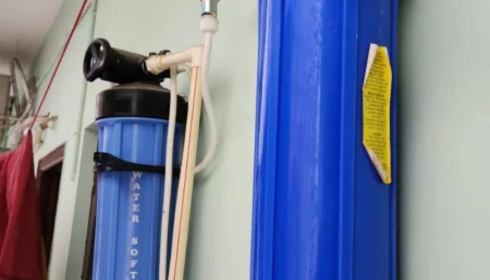
That’s exactly why homeowners increasingly invest in water softener systems instead of simply tolerating the problem.
These systems help reduce the minerals responsible for water hardness before the water circulates throughout the home. The goal isn’t luxury or perfection. It’s practicality.
And honestly, the changes people notice afterward are often surprisingly immediate.
Soap lathers more easily. Dishes rinse cleaner. Showers feel smoother somehow. Appliances often run more efficiently because scale accumulation slows dramatically.
One homeowner described it as finally feeling like the house stopped “fighting against them” all the time. That explanation actually makes a lot of sense.
Better Water Quietly Changes Household Routines
The interesting thing about softer water is that the benefits tend to appear in ordinary moments rather than dramatic ones.
Laundry becomes softer without using extra products. Cleaning bathrooms takes less effort because mineral residue stops collecting so aggressively. Coffee tastes slightly cleaner. Skin irritation improves gradually during colder months.
Even plumbing maintenance often decreases over time because the entire system experiences less mineral stress overall.
These improvements aren’t flashy enough to impress dinner guests. But the people living in the house notice them constantly.
And honestly, that’s what matters.
Every Home Has Different Water Needs
One thing homeowners sometimes misunderstand is that water conditions vary dramatically depending on geography.
A house using well water in one area may deal with severe mineral content, while another connected to municipal infrastructure faces entirely different concerns. Some regions experience only mild hardness. Others struggle with extreme scaling that damages appliances surprisingly fast.
That’s why testing the water before choosing any treatment solution is usually the smartest approach.
A properly sized system matched to actual household conditions will almost always perform better than blindly purchasing equipment based on online advertisements or generic recommendations.
Water Quality Affects the Feeling of a Home
There’s also an emotional side to better water that people rarely talk about directly.
Water is tied to comfort in deeply ordinary ways. The shower after a long day. Clean laundry folded warm from the dryer. Tea in the evening. A kitchen sink that doesn’t constantly collect cloudy residue around the faucet.
When those little experiences improve, the entire atmosphere of the home changes subtly.
It’s not dramatic. It’s quieter than that.
But over time, homes with better water tend to feel calmer, cleaner, and easier to maintain.
Why Homeowners Are Thinking Long-Term About Water
As more families recognize how hard water affects maintenance costs and daily comfort, water treatment is becoming less of a niche upgrade and more of a long-term household investment.
People are tired of replacing appliances early. They’re frustrated by endless cleaning and stubborn residue. They want homes that function smoothly without constant small annoyances piling up in the background.
And honestly, that’s a reasonable goal.
Because water touches nearly every part of home life, even when we barely think about it. When the quality improves, those improvements ripple outward quietly — through appliances, routines, comfort, and daily living itself.