

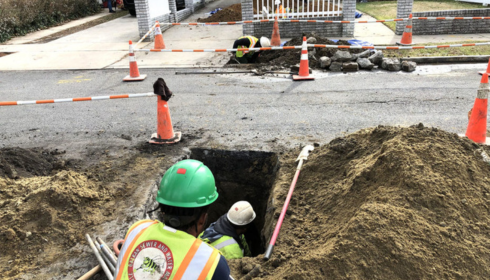



There’s something unsettling about water problems that happen underground. At least with a leaking faucet or clogged sink, you can actually see the issue. But buried water lines are different. They sit out of sight for years, quietly doing their job until one day something suddenly feels wrong.
Maybe your water pressure drops without explanation. Maybe the lawn develops soggy patches even though it hasn’t rained. Sometimes homeowners notice a spike in the water bill before they notice anything else at all.
The strange thing is, underground plumbing issues often begin long before visible symptoms appear. And because the pipes are hidden beneath driveways, landscaping, or foundations, many people delay dealing with them longer than they should.
Honestly, that’s usually where the real trouble starts.
Small Water Line Issues Rarely Stay Small
A lot of homeowners assume underground plumbing problems will announce themselves dramatically right away. Sometimes they do. But more often, the signs are subtle at first.
A slight drop in water pressure. Discolored water for a few seconds when the tap turns on. Strange wet spots forming near sidewalks or flower beds. These clues feel easy to ignore because life gets busy and the problem doesn’t seem urgent yet.
But damaged underground pipes tend to worsen gradually. Corrosion spreads. Small cracks expand. Tree roots push deeper into vulnerable areas. Eventually, minor leaks become major ones.
That’s why professional waterline replacement repair services are often necessary before problems become catastrophic. In many cases, technicians can identify aging or damaged sections early enough to prevent larger structural damage to landscaping, foundations, or nearby plumbing systems.
And honestly, homeowners usually feel relieved once they finally understand what’s actually happening underground.
Older Homes Face Different Plumbing Challenges
Homes built decades ago often contain water lines made from materials that simply weren’t designed to last forever. Galvanized steel pipes, aging copper, and outdated connections slowly weaken over time due to corrosion, shifting soil, and mineral buildup.
The difficult part is that homeowners may live with declining plumbing performance for years without realizing how much deterioration has already occurred.
I once spoke with someone who thought weak shower pressure was just “part of living in an older house.” Turns out the main water line had become heavily restricted from internal corrosion over the years. After repairs were completed, they were shocked by how different the plumbing felt.
Funny enough, people often adapt to slow decline until things finally improve again.
Why Underground Leaks Can Become Expensive Quickly
Water is surprisingly destructive once it starts moving where it shouldn’t. Underground leaks can gradually erode soil, damage foundations, create sinkholes, or weaken concrete surfaces over time.
And because these leaks aren’t immediately visible, homeowners often discover them much later than they would a typical indoor plumbing issue.
Professional water line repair becomes especially important when homeowners notice unexplained increases in water usage or damp areas around the property. Modern plumbing companies now use advanced leak detection equipment that helps locate hidden underground problems more accurately than older methods ever could.
That technology matters. Years ago, finding a buried leak sometimes meant digging large sections of property blindly. Today, diagnostics are often much more precise and far less disruptive.
Still, nobody enjoys discovering a plumbing issue beneath their yard.
Tree Roots Are More Aggressive Than People Realize
One of the biggest hidden threats to underground plumbing systems is actually landscaping. Trees naturally seek moisture, and tiny cracks in water lines create exactly the environment roots are drawn toward.
Once roots enter small openings, they continue growing and expanding inside the pipe. Over time, that pressure worsens cracks, restricts water flow, and eventually causes significant damage.
The frustrating part is that homeowners rarely suspect their beautiful mature trees may be affecting buried plumbing infrastructure underneath the property.
And honestly, root intrusion problems are far more common than most people think.
Replacement Sometimes Makes More Sense Than Repeated Repairs
Homeowners often hope every plumbing issue can be solved with a simple patch or temporary fix. Sometimes that works. But older water lines with widespread deterioration often continue developing new leaks even after repairs are completed.
That’s when full water line replacement becomes the more practical long-term solution.
Replacing underground lines may sound intimidating, but modern plumbing technology has improved the process dramatically. In some cases, trenchless replacement methods allow technicians to install new lines with minimal disruption to landscaping or driveways.
That’s a huge relief for homeowners worried about property damage during major repairs.
More importantly, replacement often restores water pressure, improves reliability, and reduces the stress of recurring plumbing problems happening unexpectedly every few months.
Preventative Attention Saves More Than Money
A lot of plumbing disasters could probably be avoided if homeowners paid closer attention to early warning signs. Unfortunately, underground systems are easy to forget about because they remain hidden most of the time.
Preventative inspections, pressure testing, and leak detection may not feel urgent when everything appears functional. But catching problems early usually prevents much larger repair costs later.
And honestly, the emotional stress of sudden plumbing failures often outweighs the inconvenience of routine maintenance. Water issues create panic quickly because they disrupt daily life so completely.
A Reliable Home Depends on Invisible Systems
Most homeowners focus naturally on the visible parts of their property — flooring, paint, landscaping, furniture. But some of the most important systems supporting everyday comfort are completely hidden underground.
Reliable water lines quietly support showers, cooking, laundry, cleaning, and countless routines people rarely stop to think about.
Until something goes wrong.
That’s why maintaining underground plumbing isn’t really about avoiding inconvenience alone. It’s about protecting the stability and comfort that make a house feel dependable day after day.
And honestly, when everything works properly, nobody notices the water line beneath the yard at all. Which is probably the best outcome any plumbing system can hope for.