

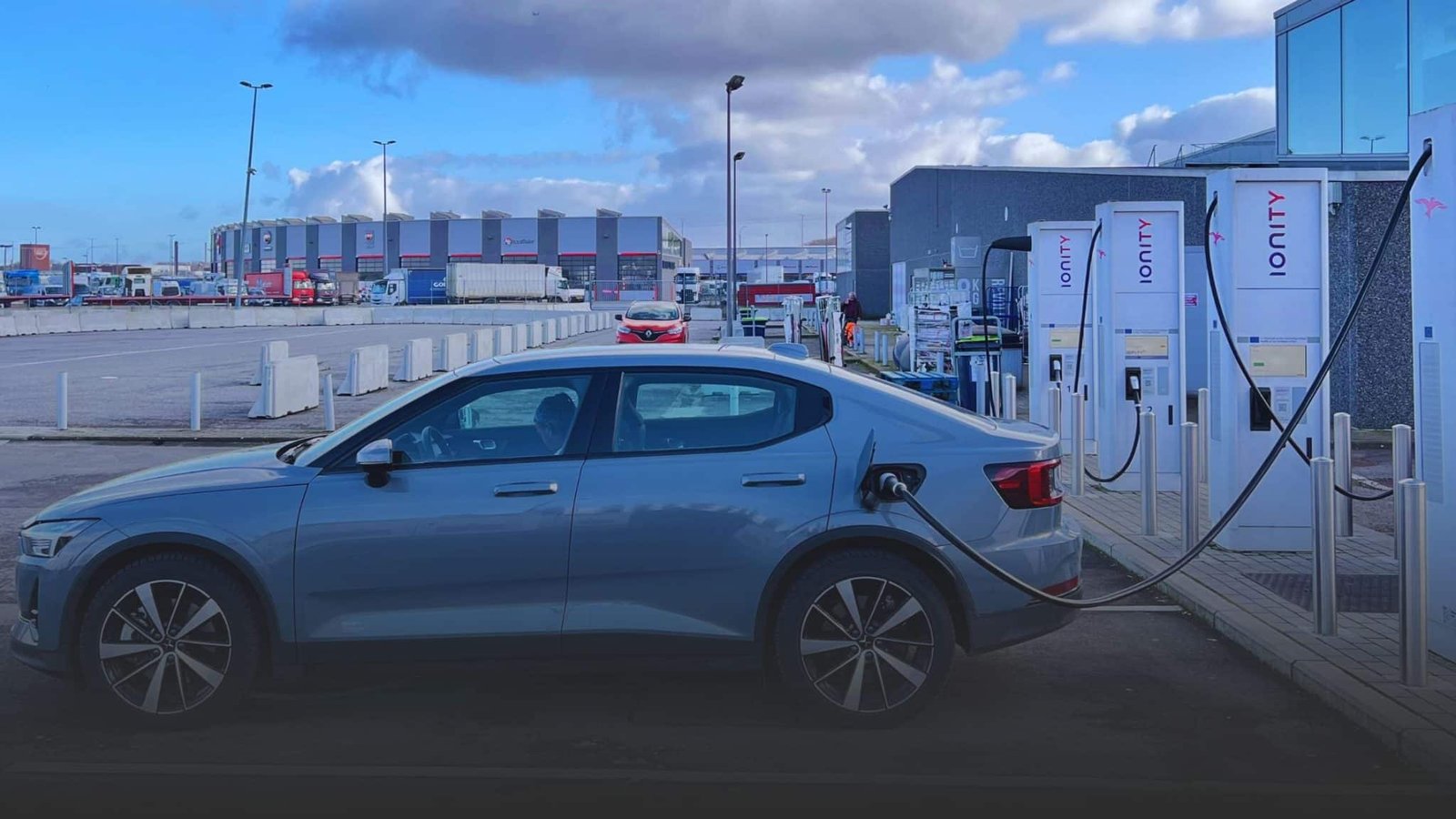



There’s something quietly exciting about buying a used electric car. It feels like stepping into the future—just at a smarter price. No engine noise, fewer moving parts, and the promise of lower running costs. Sounds perfect, right? Well… almost.
Because like any good deal, the devil hides in the details. And when it comes to pre-owned EVs, those details aren’t always obvious at first glance.
Let’s talk about what actually matters—the things people don’t always tell you.
The Battery: More Than Just a Percentage
Everyone knows the battery is the heart of an EV, but not everyone understands how tricky it can be.
You’ll often see sellers mention battery health—maybe 80%, maybe 90%. But what does that even mean in real life? A car with 80% battery health doesn’t just lose 20% range; sometimes the drop feels sharper, especially in extreme weather.
Ask for a proper battery health report, not just a verbal claim. If possible, get it checked independently. Replacement batteries aren’t cheap—and that “great deal” can turn expensive real quick.
Charging History Tells a Story
This one’s underrated.
How the previous owner charged the car actually affects battery life. Frequent fast charging, for instance, can stress the battery over time. It’s not a dealbreaker, but it’s something you’d want to know.
A car mostly charged at home (slow charging) usually ages better than one constantly plugged into fast chargers.
It’s like comparing home-cooked meals to daily fast food—you get the idea.
Software and Updates: The Invisible Factor
Unlike petrol cars, EVs rely heavily on software. Think of brands like Tesla, where updates can literally change how the car behaves.
Check if the car is still receiving software updates. Some older models may stop getting support, which means missing out on improvements or even bug fixes.
And yes, sometimes features are locked behind software—so verify what you’re actually getting.
Real Range vs Claimed Range
Manufacturers love quoting ideal numbers. Real-world driving? Not so generous.
If a car claims 300 km range, expect something closer to 200–240 km depending on driving habits, terrain, and weather. In places with extreme heat (hello, Indian summers), battery performance can dip noticeably.
Test drive the car and check real-time consumption stats if possible. Don’t just rely on brochure numbers.
Hidden Wear and Tear Isn’t Always Mechanical
Here’s the twist—EVs don’t wear out the same way traditional cars do.
Sure, there’s less engine maintenance, but components like regenerative braking systems, electric motors, and cooling systems still age. And repairs can sometimes be more specialized (and expensive).
Also check the tires carefully. EVs tend to be heavier, which means tires wear out faster than you might expect.
Warranty Transfer: Read the Fine Print
Battery warranties are often long—8 years is common—but they don’t always transfer seamlessly to new owners.
Before you finalize anything, confirm:
- Is the battery warranty still valid?
- Does it transfer to you?
- Are there conditions attached?
Skipping this step can cost you peace of mind later.
Charging Infrastructure Compatibility
Not all EVs are created equal when it comes to charging.
Different models support different connectors and charging speeds. Make sure the car you’re buying fits your daily routine. If your area mostly has Type 2 chargers and your car struggles with compatibility, that’s going to be frustrating.
In India, infrastructure is improving, but it’s still something you need to think through practically.
Accident History and Repairs
This applies to any used car, but with EVs, repairs after accidents can be more complicated.
Battery packs sit at the bottom of the vehicle. Even minor damage underneath can affect performance or safety. Always check for past accidents and insist on a proper inspection.
A cheap car with hidden structural issues? Not worth the risk.
The Cost of Ownership Isn’t Always Obvious
Yes, EVs save money on fuel. But ownership isn’t just about charging costs.
Think about:
- Battery replacement (long-term)
- Insurance (sometimes higher)
- Specialized repairs
The overall cost still tends to be lower than petrol cars, but it’s not zero-maintenance magic.
What Buyers Often Overlook
A lot of people rush into EV purchases thinking they’re simpler than traditional cars—and in many ways, they are. But that simplicity can be misleading.
The keyword here is awareness.
Used Electric Cars kharidte waqt kaunse hidden issues check karein—this question isn’t just about saving money. It’s about avoiding regret. Because once you’ve bought the car, these hidden issues don’t stay hidden for long.
Final Thoughts: Smart Choices Beat Fast Decisions
Buying a used EV can be one of the smartest automotive decisions today. Cleaner, quieter, and often cheaper in the long run.
But only if you go in with your eyes open.
Take your time. Ask questions. Get things checked—even if it feels a bit excessive. Because honestly, the extra effort upfront is nothing compared to dealing with surprises later.
At the end of the day, it’s not just about owning an electric car—it’s about owning the right one.